
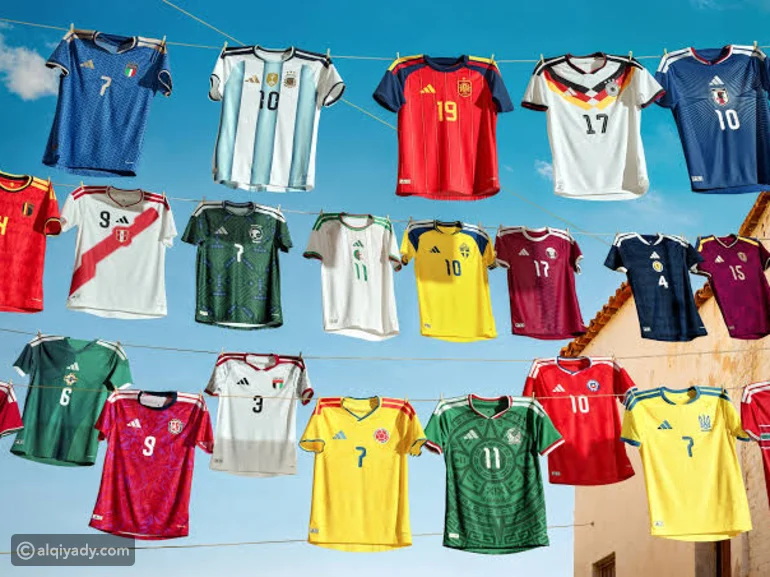
How the Arab national teams transformed their FIFA World Cup 2026 jerseys into cultural statements that celebrate heritage, identity, and national pride.
As the world prepares for the largest FIFA World Cup in history, hosted across the United States, Canada, and Mexico, the Arab teams heading to the tournament are carrying more than just the hopes of millions of fans. They are also bringing stories of heritage, culture, and national identity—woven into jerseys designed to be far more than sportswear.
In modern football, a jersey is no longer simply a uniform. It has become a cultural statement, a visual representation of a nation’s history, traditions, and aspirations. And with eight Arab nations competing at the 2026 FIFA World Cup, the region arguably boasts some of the tournament’s most meaningful and visually compelling designs.
Jordan: A Historic Debut Captured in Fabric
Some jerseys are beautiful. Others carry historical significance. Jordan’s World Cup 2026 collection belongs firmly in the second category.
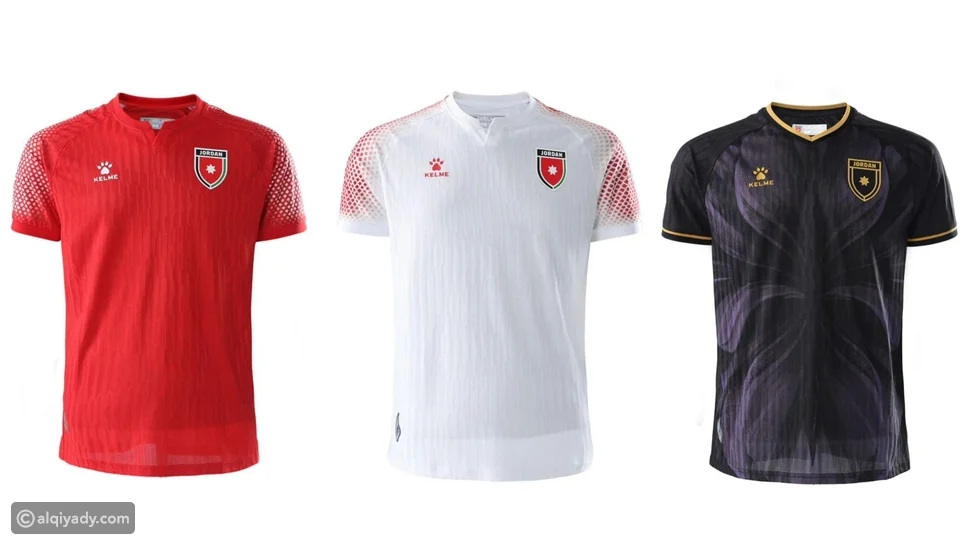
Featuring patterns inspired by the iconic red-and-white Jordanian keffiyeh, both the home and away kits celebrate the nation’s first-ever FIFA World Cup appearance. The challenge for the designers was not simply creating an attractive football shirt, but designing a piece that would symbolize a landmark moment in Jordanian sporting history.
The standout piece is undoubtedly the black third jersey, inspired by the Black Iris, Jordan’s national flower. Enhanced with elegant gold details, the design feels closer to luxury fashion than traditional football apparel, making it one of the most talked-about jerseys among Arab teams.
Morocco: Where Football Meets Fashion
If one Arab jersey could move effortlessly from the pitch to a fashion runway, it would likely be Morocco’s.
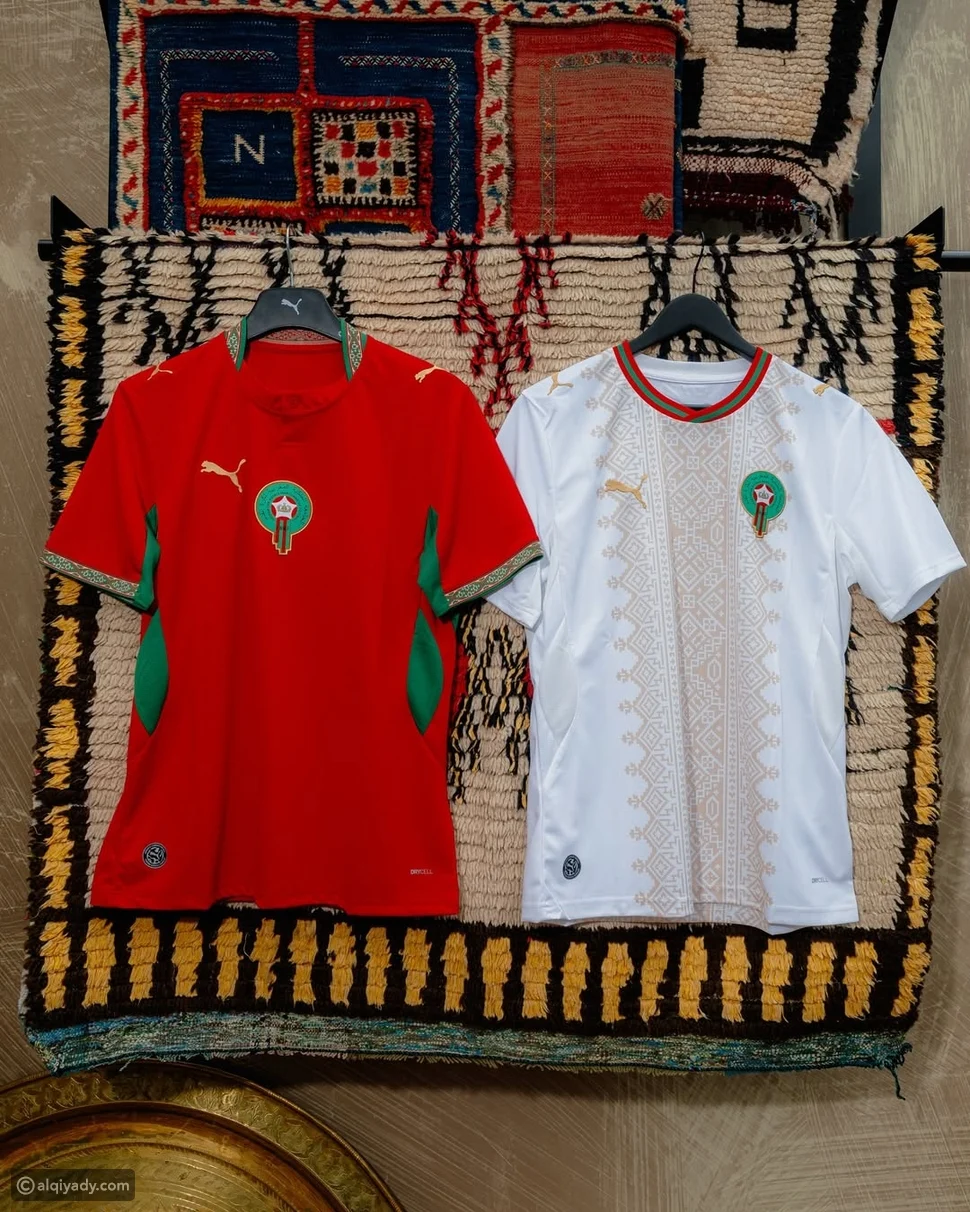
Rather than reinventing the Atlas Lions’ iconic red color palette, Puma incorporated subtle references to traditional Moroccan embroidery around the collar and sleeves. These refined details echo the craftsmanship, geometric artistry, and rich cultural heritage for which Morocco is renowned.
The result is a design that feels sophisticated without being excessive, traditional without appearing outdated, and modern without losing its authenticity. Many design experts have already named it one of the most elegant jerseys of the tournament.
Saudi Arabia: Tradition Meets Tomorrow
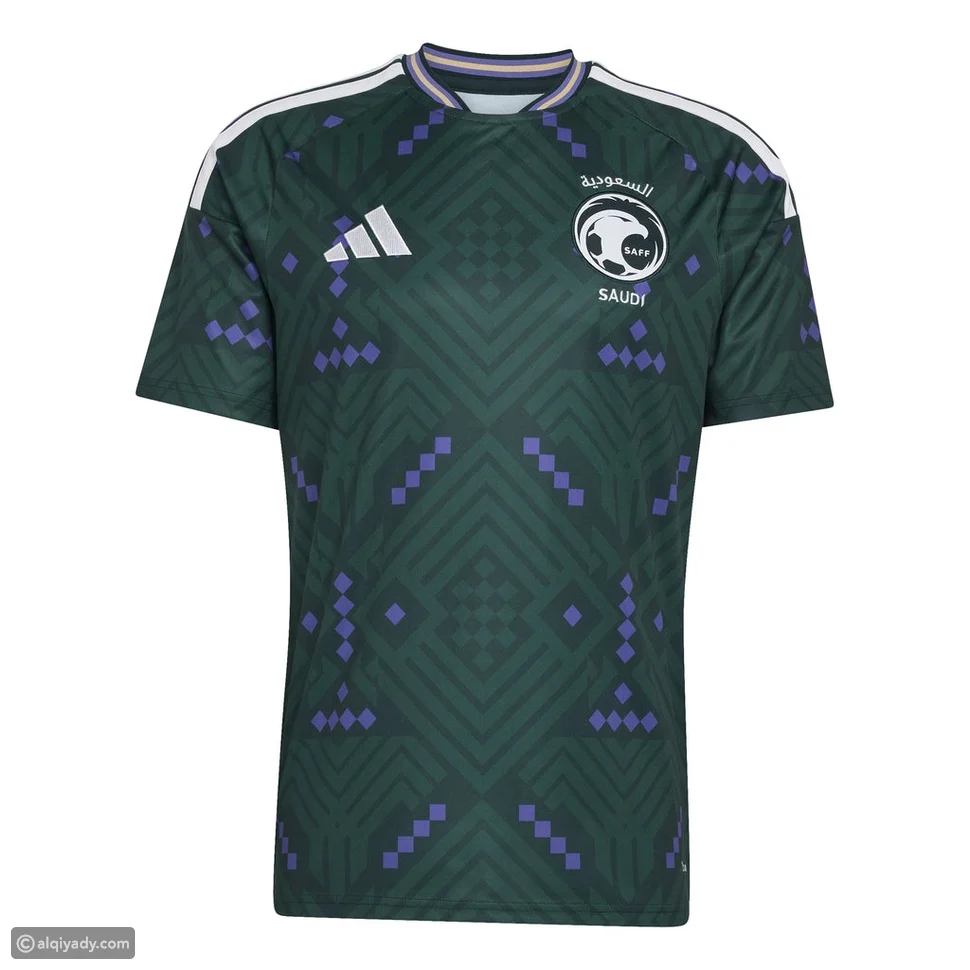
Every major tournament produces a jersey that surprises fans and designers alike. Among the Arab teams, Saudi Arabia appears to have achieved exactly that.
Adidas moved beyond the conventional green template and drew inspiration from the intricate architectural details found on traditional Saudi doorways. The addition of subtle purple accents alongside the classic green created a bold and unexpected visual identity.
The final result feels futuristic while remaining deeply connected to Saudi cultural heritage—an aesthetic reflection of a nation embracing innovation while honoring its roots.
Algeria: The Beauty of the Desert
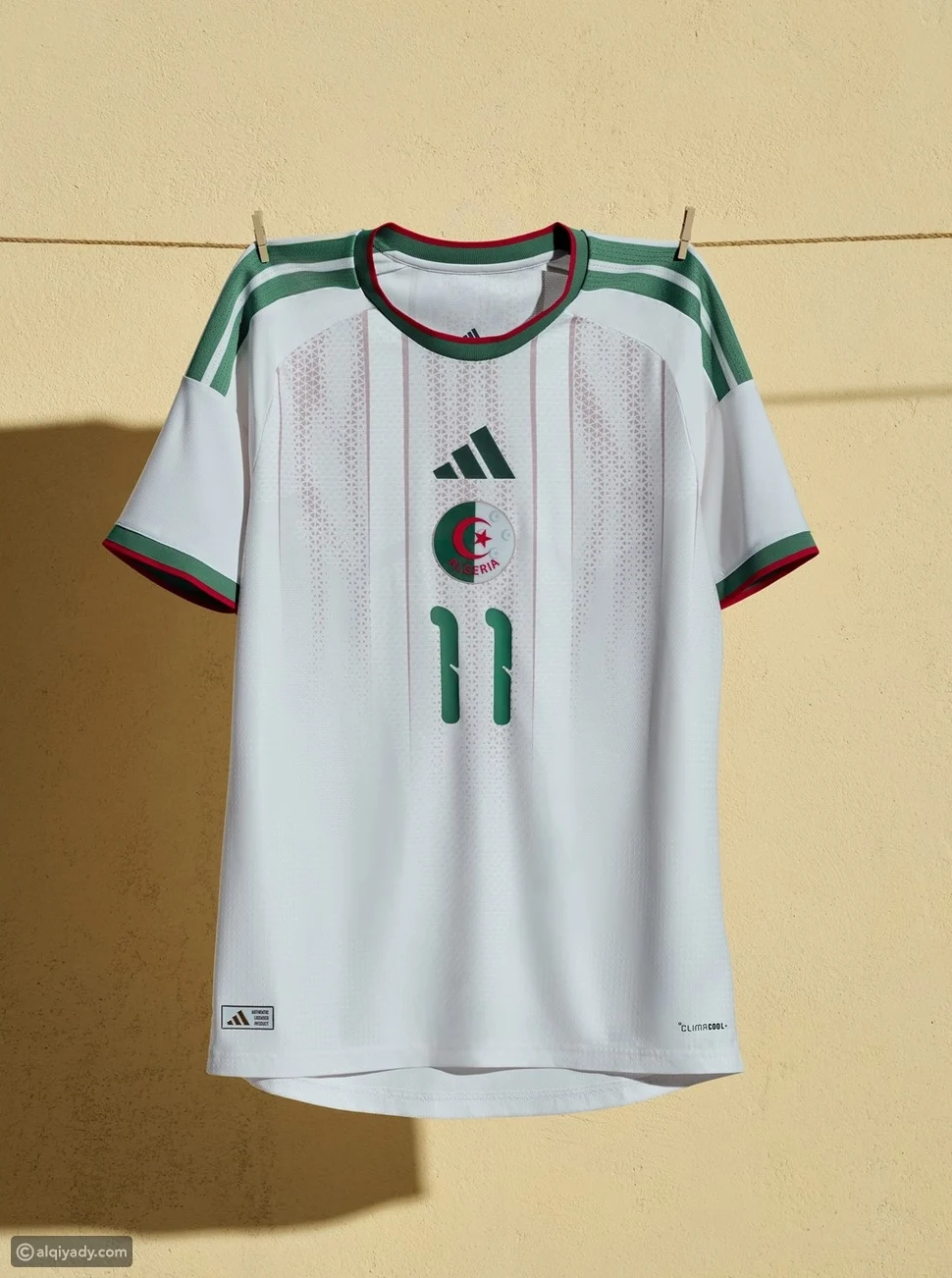
Not every story requires bold colors or dramatic graphics. Sometimes subtlety tells the strongest story.
Algeria’s predominantly white jersey incorporates design elements inspired by the country’s vast deserts, breathtaking landscapes, and historic oases. Rather than demanding attention immediately, the design reveals its depth through careful observation.
It is a jersey that speaks about land, identity, and belonging as much as it speaks about football itself.
Tunisia: The Eagle Takes Flight
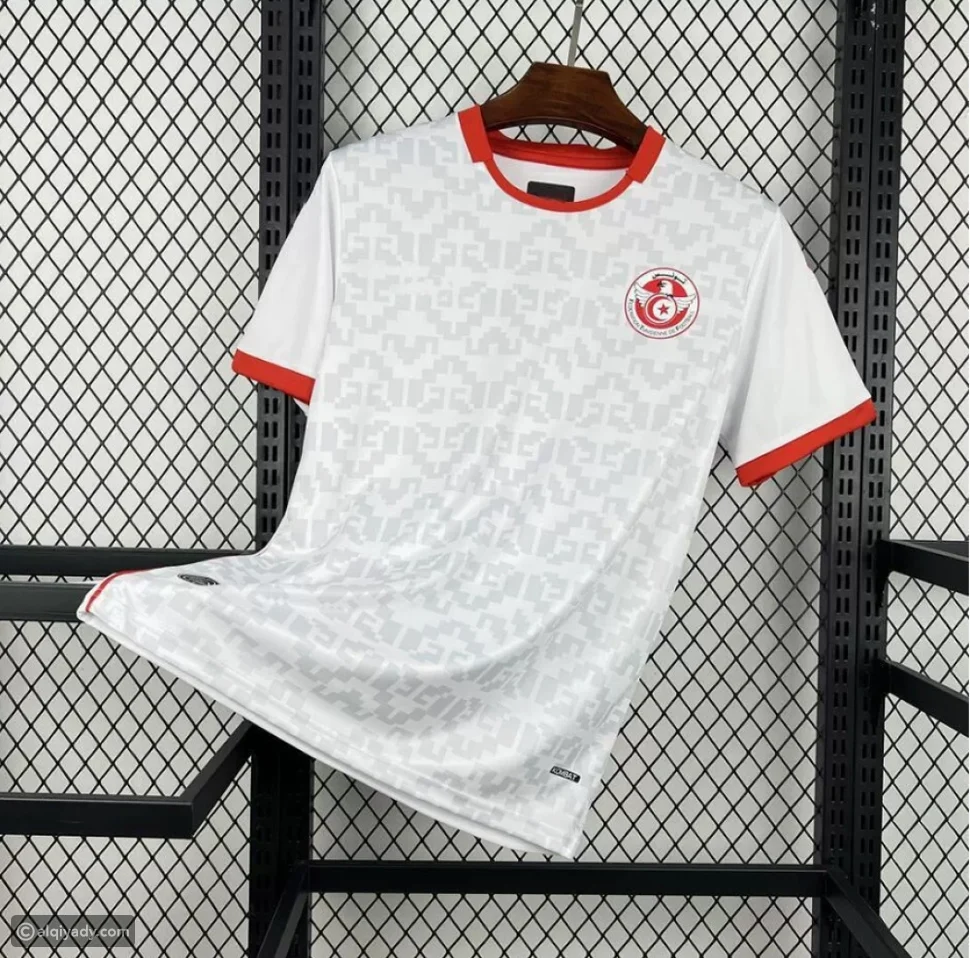
The Tunisian national team has long been known as the Eagles of Carthage, making the eagle motif a natural centerpiece for the new design.
Kappa integrated wing-inspired details across the shoulders and sleeves while maintaining Tunisia’s classic red-and-white palette. The execution is subtle and refined, allowing the symbol to enhance the design without overwhelming it.
The result is a distinctive jersey that balances tradition and modernity with remarkable elegance.
Iraq: A Jersey Designed for the Fans
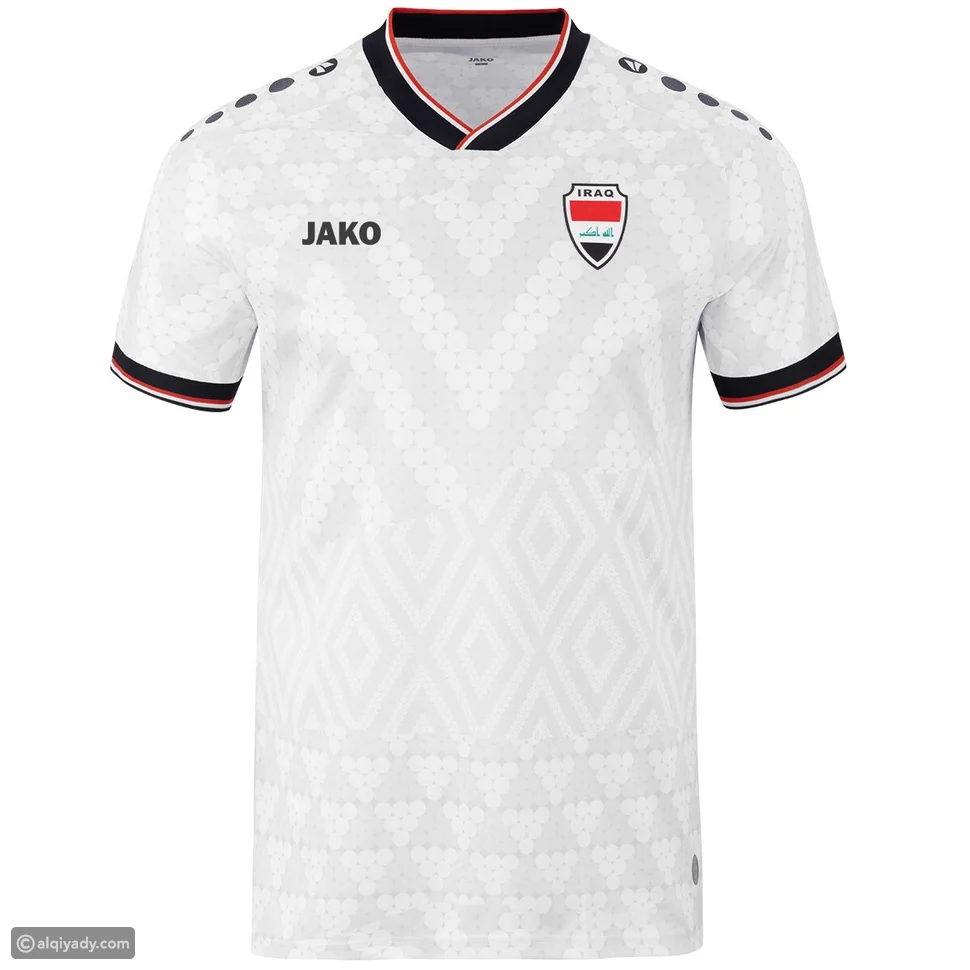
Iraq’s jersey may not generate the same global headlines as some of its counterparts, but it carries an authenticity that resonates deeply with supporters.
Jako incorporated subtle patterns inspired by Iraqi heritage while preserving the colors of the national flag. Rather than focusing on visual spectacle, the design emphasizes emotional connection and national pride.
Many Iraqi fans see it as a jersey that genuinely represents them—a tribute to the passion and resilience that define the country’s football culture.
Qatar: The Power of Simplicity
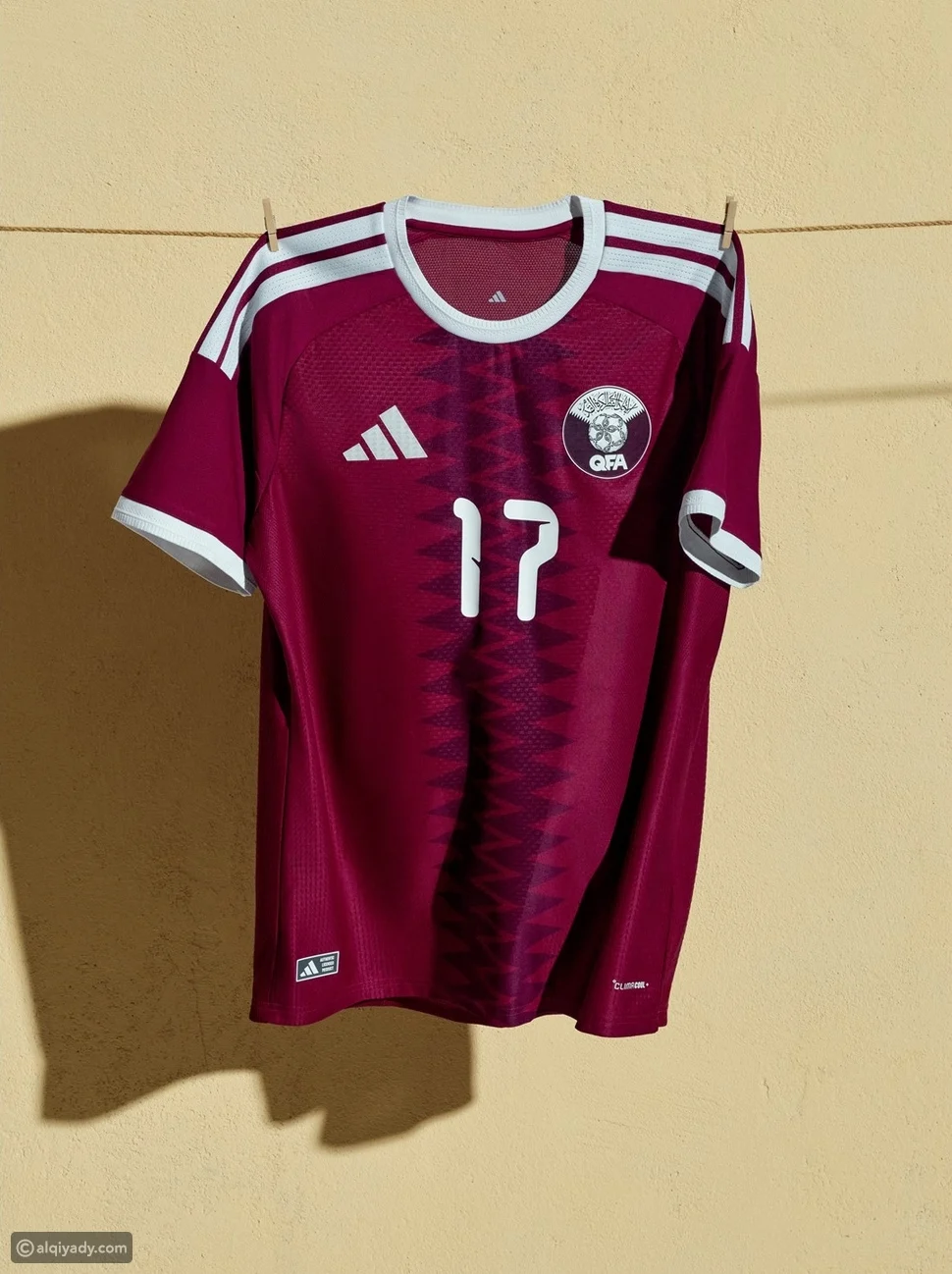
Having hosted the FIFA World Cup in 2022, Qatar already possesses one of the most recognizable visual identities in international football.
Adidas chose to maintain the nation’s iconic maroon color and flag-inspired elements rather than pursuing a radical redesign. While some may view the approach as conservative, there is undeniable strength in its simplicity.
At first glance, it is unmistakably Qatari—a significant achievement in an era where football jerseys often become increasingly complex.
Egypt: The Jersey That Sparked Conversation
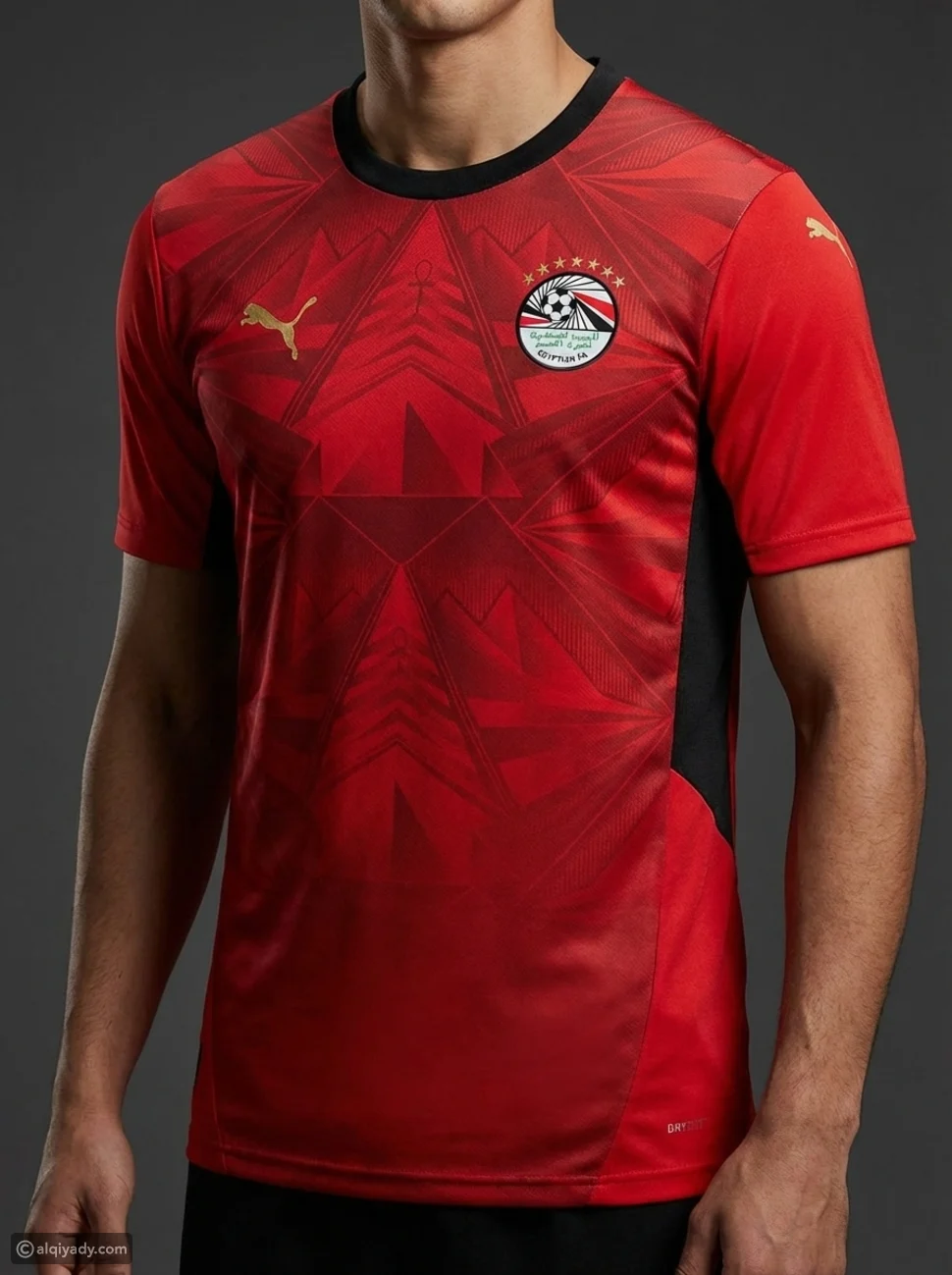
Sometimes the story surrounding a jersey becomes just as compelling as the design itself.
Egypt’s 2026 kit remains rooted in the nation’s signature red color while incorporating geometric references inspired by Ancient Egyptian civilization. However, much of the public discussion centered on modifications requested before the tournament, particularly concerning historical stars associated with Africa Cup of Nations victories.
As a result, the jersey quickly evolved from a simple kit launch into a topic of national conversation, making it one of the most discussed Arab jerseys ahead of the World Cup.
Which Arab Team Has the Best Jersey?
If elegance is the benchmark, Morocco may lead the field. If innovation and boldness define success, Saudi Arabia stands out. Yet when it comes to symbolism, emotion, and historical significance, Jordan’s first-ever World Cup jersey is difficult to surpass.
What makes this collection truly special is that each jersey tells a different story.
Morocco celebrates craftsmanship. Saudi Arabia embraces the future. Algeria honors its landscapes. Tunisia carries the eagle’s spirit. Iraq reflects the passion of its people. Qatar showcases a confident identity. Egypt represents history. Jordan captures a once-in-a-lifetime national moment.
Years from now, football fans may forget some of the tournament’s results. But they will likely remember how these nations chose to present themselves to the world.
At the FIFA World Cup 2026, jerseys are no longer simply sportswear. They have become stories people wear.