
Regional tensions often reflect directly on currency markets. While effects differ between countries, some general patterns emerge:
-
Weakening of vulnerable local currencies, especially in economies already facing inflation or limited foreign reserves.
-
Higher volatility in exchange rates, as markets react rapidly to political and security updates.
-
Stronger demand for stable foreign currencies such as the US dollar, particularly in regions where uncertainty affects consumer and investor confidence.
Economic Impact on the Arab Region
As tensions continue, many Arab countries face a mixture of economic challenges:
-
Rising import costs when local currencies lose value.
-
Increased pressure on central banks to stabilize markets.
-
Shifts in consumer behavior, with more individuals focusing on saving rather than spending.
-
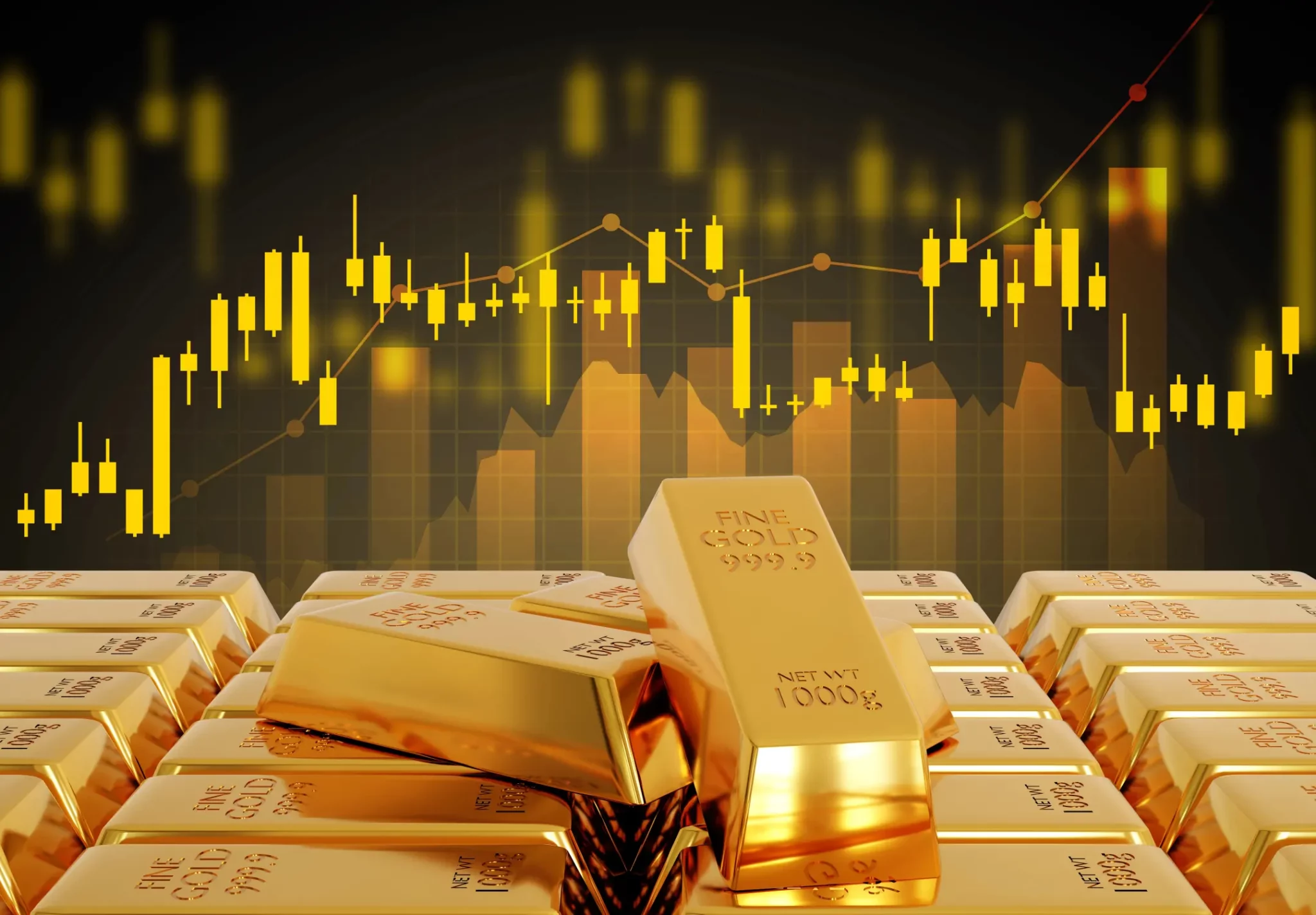
Greater interest in safe investments, including gold, foreign currencies, and real-estate assets.
Looking Ahead
While the outlook depends on how the political situation evolves, the general trend points toward:
-
Continued strength in gold prices as long as uncertainty remains high.
-
Ongoing currency volatility, especially in countries sensitive to geopolitical or economic shocks.
-
A cautious market mood, where investors prefer low-risk assets until conditions stabilize.
In all cases, analysts emphasize that markets react not only to major events but also to expectations. This means that even small updates or diplomatic shifts can influence gold prices and currency movements in the short term.