
For the first time since going public, Porsche has reported a quarterly loss of $1.1 billion (€967 million)—a stunning turn for one of the world’s most prestigious car manufacturers. The drop reflects a broader slowdown in the electric vehicle (EV) sector and global economic pressures that have hit even the strongest luxury brands.
According to reports, Porsche’s total losses this year have reached $3.6 billion (€3.1 billion), marking a turbulent chapter in its otherwise stable financial history. The brand’s delayed EV rollout and increasing tariffs on European cars—especially in the U.S.—have added to the strain.
EV Delays and Strategic Shifts
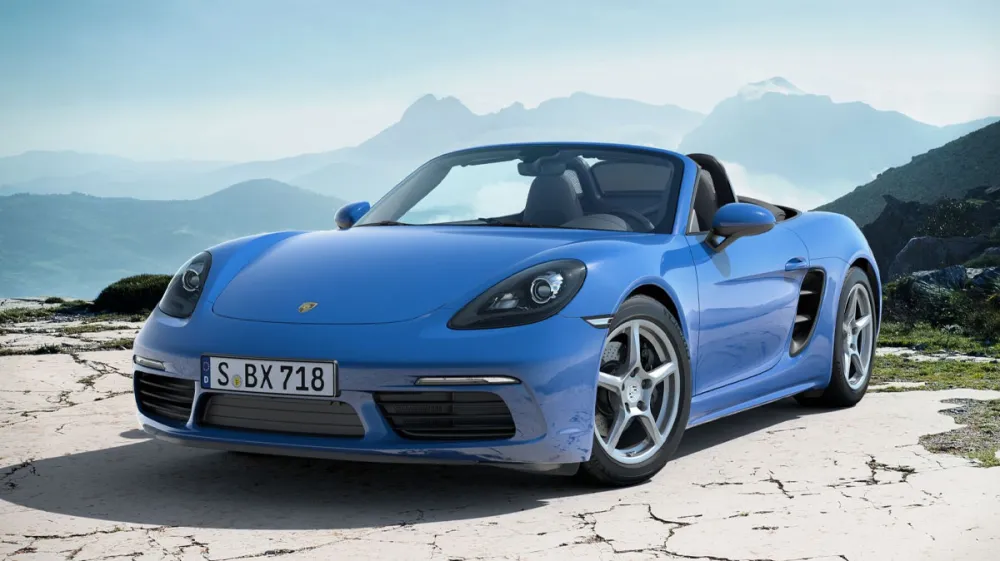
Porsche had planned to electrify its iconic 718 Boxster and Cayman models by September. However, the automaker announced that these plans have been postponed indefinitely, keeping combustion engines alive for the foreseeable future.
In an official statement, Porsche noted that “due to the delayed ramp-up of electric mobility, the market launch of certain all-electric vehicle models is planned to take place at a later date.”
The brand also scrapped its ambitious plans to build its own batteries and re-evaluated its future SUV lineup. The upcoming K1 model, initially envisioned as an all-electric flagship larger than the Cayenne, may now arrive with hybrid or internal combustion engine options instead.
Tariffs and the U.S. Market Challenge
Another factor behind Porsche’s Q3 decline is the 15 percent tariff on European cars imposed by the U.S. administration, adding millions in costs for every vehicle exported to American soil.
Despite this, the U.S. remains Porsche’s largest market, even surpassing China, where sales have slowed dramatically. To offset the tariff impact, Porsche is considering final assembly operations in the U.S., a potential shift that could mark a new chapter in the brand’s manufacturing strategy.
A Luxury Icon in Transition
The current setback doesn’t spell disaster for Porsche, but it does highlight a shifting landscape in the luxury auto world. As EV enthusiasm cools and geopolitical tensions rise, even top-tier brands must adapt to maintain their edge.
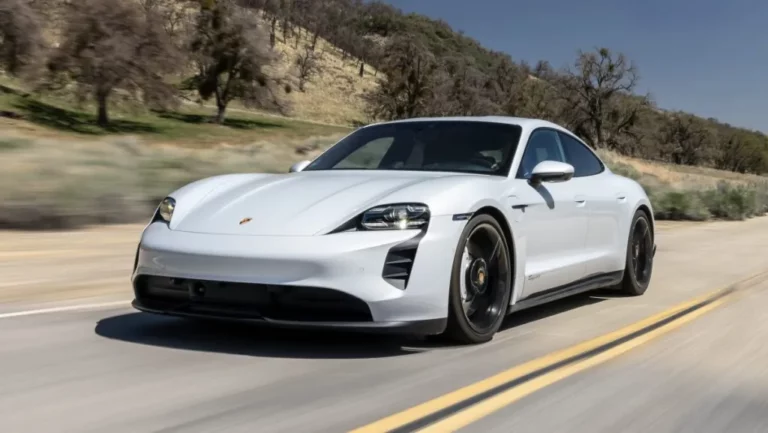
Porsche’s path forward will likely blend innovation with tradition—continuing to produce combustion models while refining its electric strategy through models like the Taycan, its best-performing EV to date.
The coming months will reveal whether Porsche can reclaim its momentum—or whether this loss marks the beginning of a more challenging road for the legendary marque.