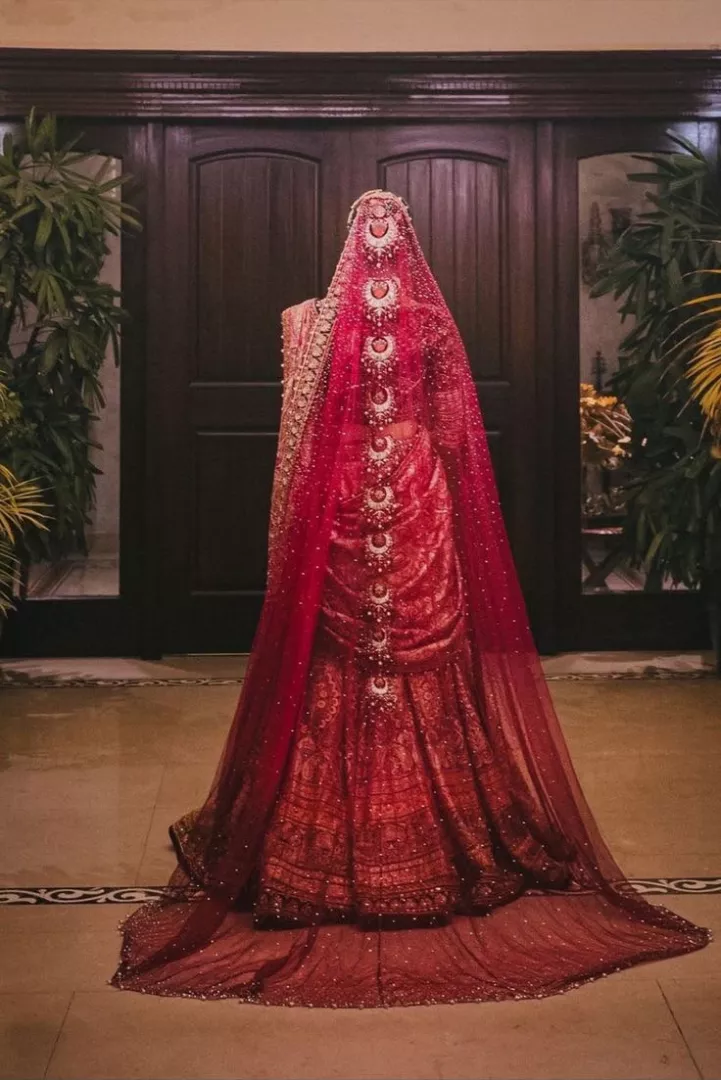
Once a staple reserved for South Asian weddings, festive celebrations, or worn as a symbol of modesty, the dupatta is finding a new place in everyday wardrobes. Across social media, creators are styling silk dupattas with corsets and matching skirt sets, pairing embroidered dupattas with baggy denim and Y2K-inspired beaded tops, and proving that this timeless South Asian staple is no longer confined to cultural occasions.
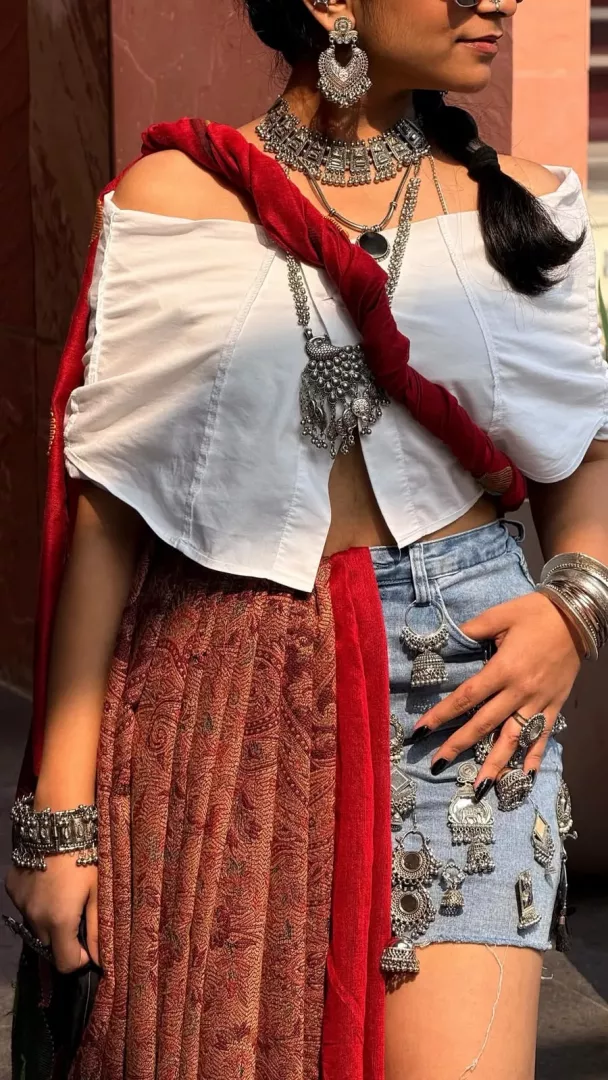
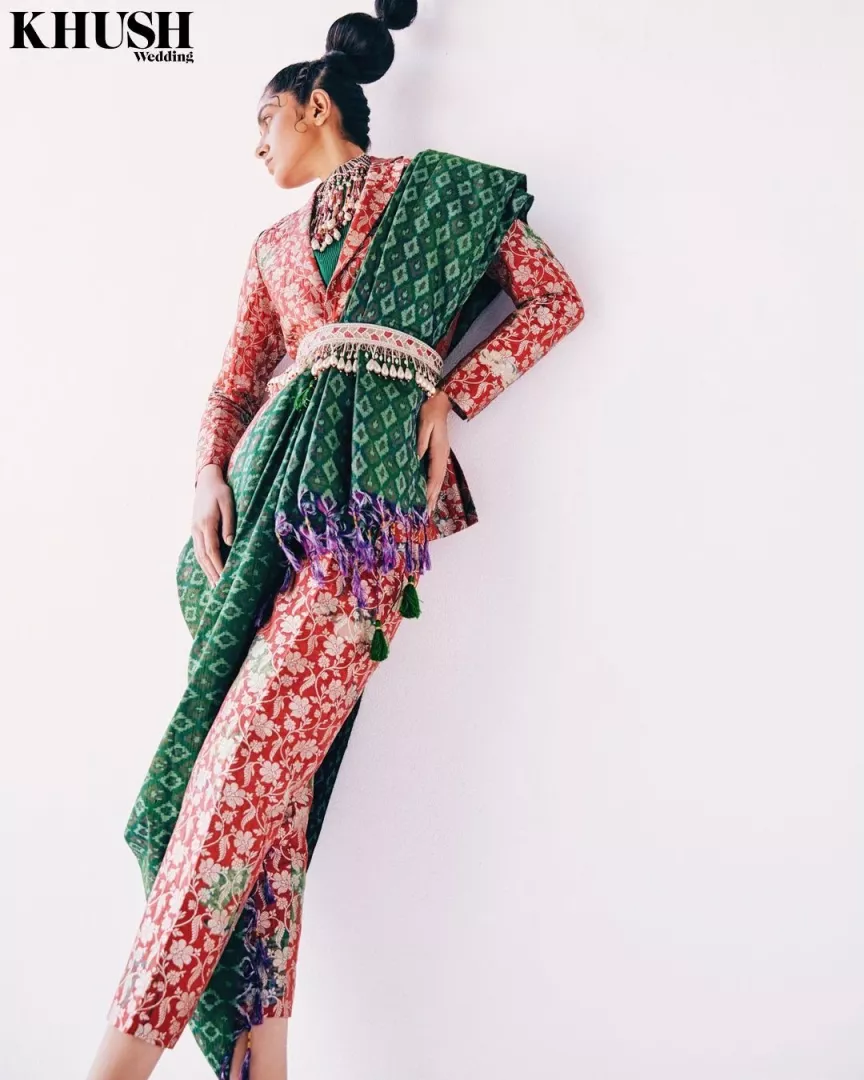
Luxury designers such as Sabyasachi Mukherjee, Anita Dongre, and Masaba Gupta have also embraced contemporary interpretations of traditional South Asian dressing, inspiring younger generations to experiment with heritage pieces beyond festive wear. For Gen Z, the dupatta has become more than just a traditional accessory, it has become a statement of individuality, heritage, and modern style.
More Than a Traditional Accessory
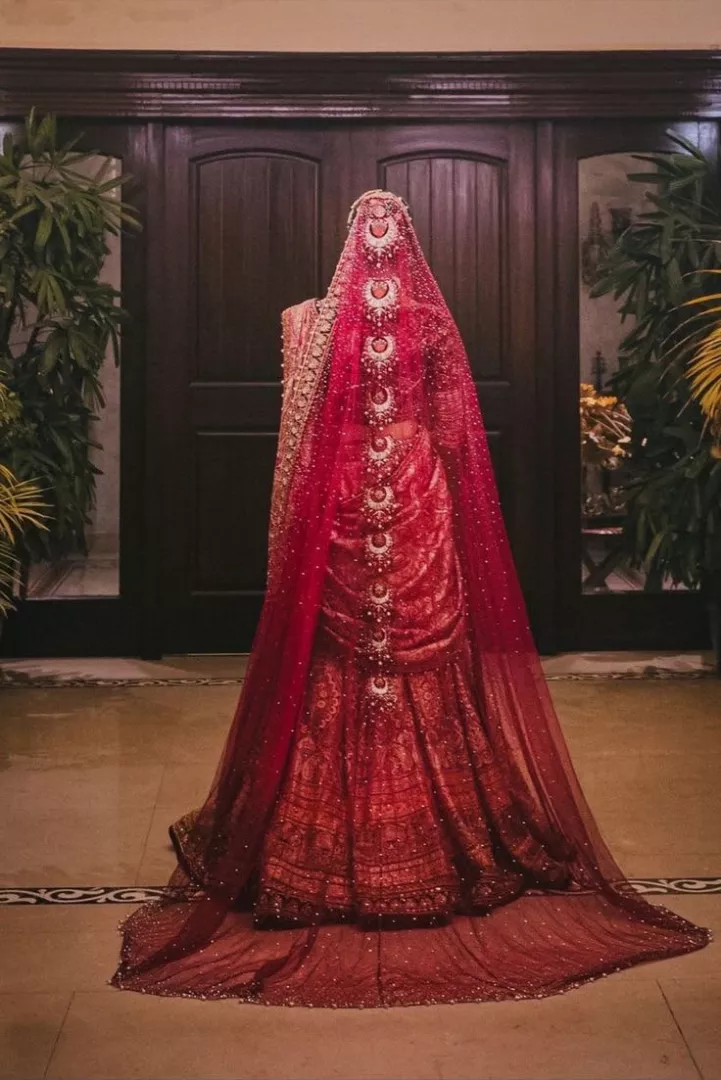
Traditionally, the dupatta has represented modesty, grace, and respect across South Asia. Worn over the head or draped across the shoulders, it has long held cultural and religious significance, whether during prayers, family gatherings, weddings, or when meeting elders. For many women, receiving or wearing a dupatta has also symbolised important milestones, from coming-of-age ceremonies to wedding rituals, marking a new chapter in life.
Beyond its cultural meaning, the dupatta has always been an important part of fashion. It completes an outfit by adding movement, colour, texture, and elegance, while also serving a practical purpose by protecting against the sun, dust, and heat.
Today, however, the dupatta is evolving. Instead of being worn only in traditional ways, it is being reimagined through fusion styling and contemporary fashion. Rather than leaving tradition behind, young consumers are giving it a fresh perspective.
How Gen Z Is Styling the Dupatta Today
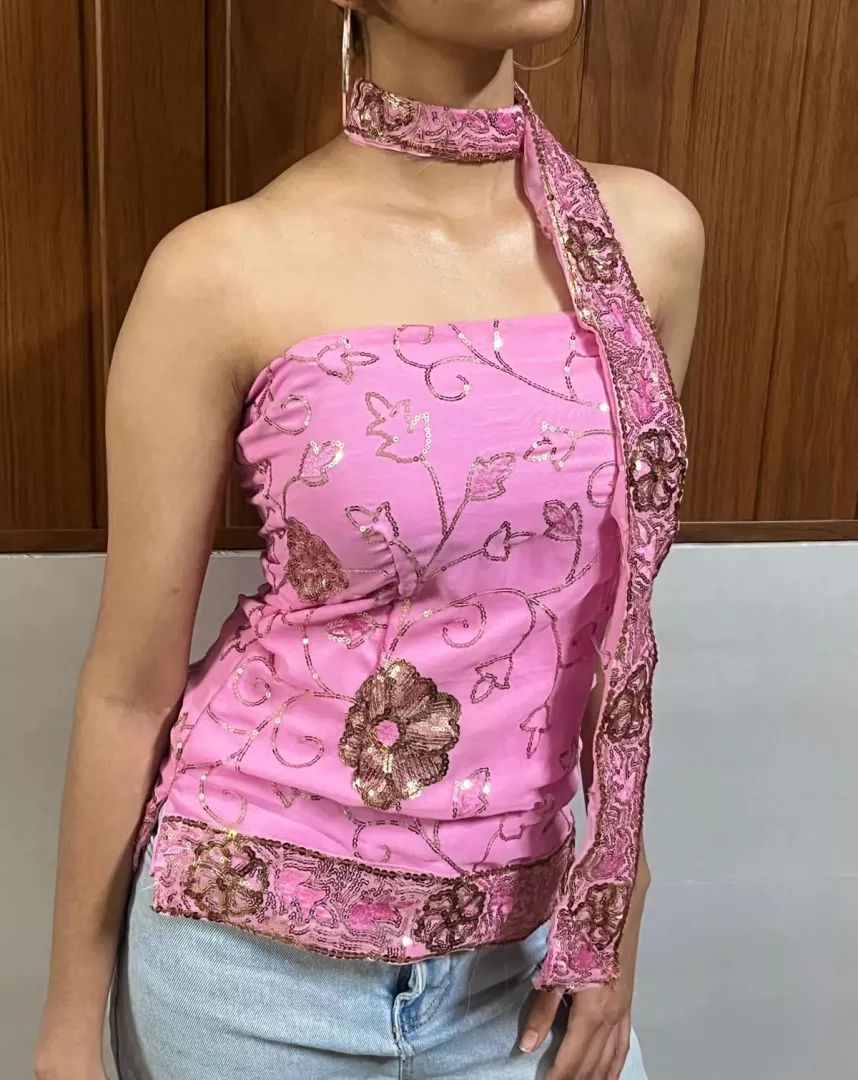
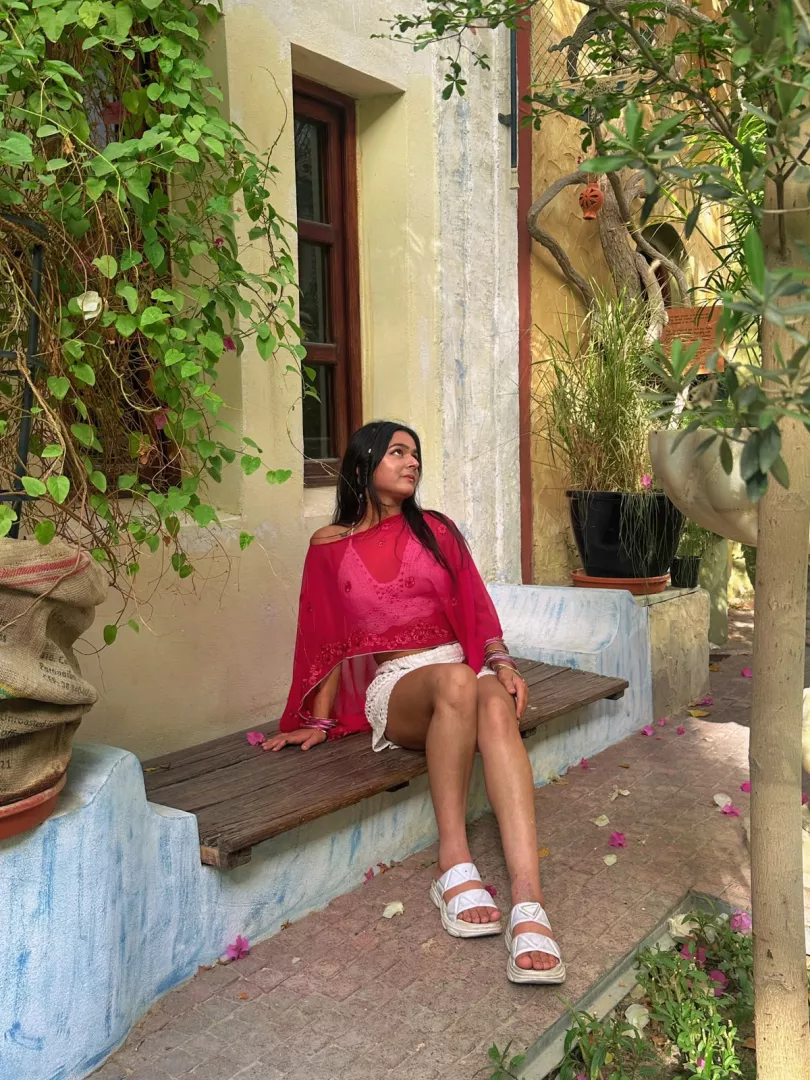
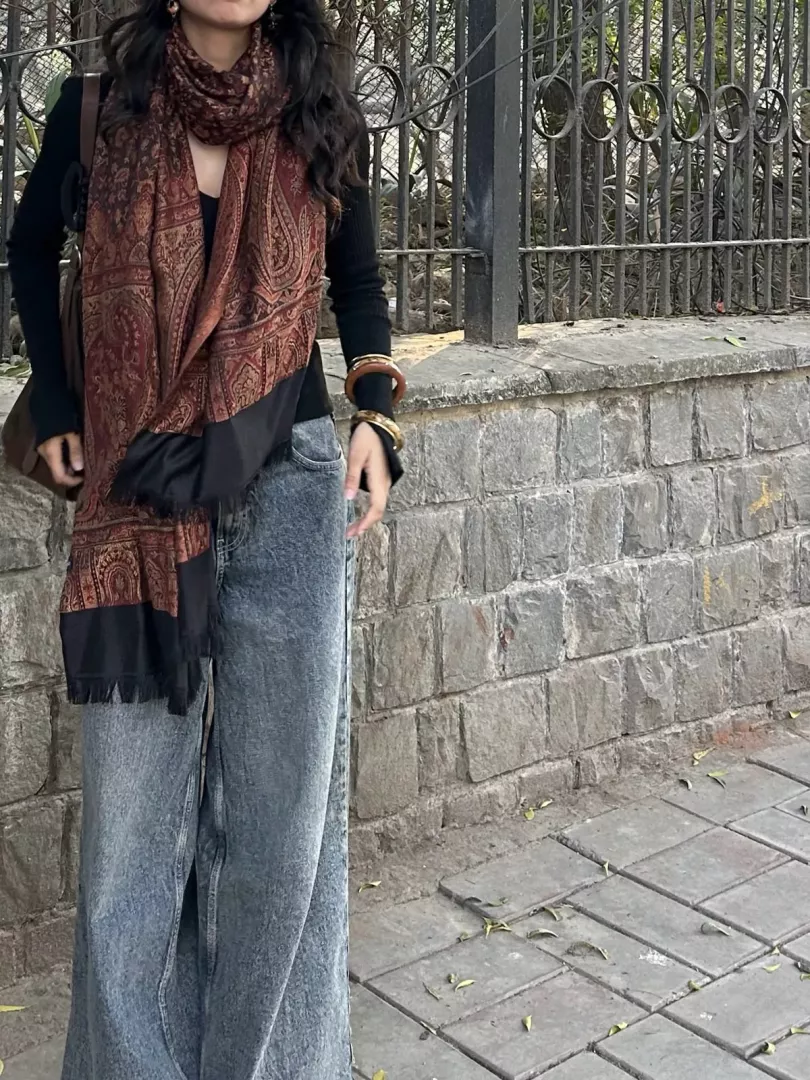
Fashion enthusiasts are constantly finding new ways to incorporate dupattas into their everyday wardrobes. Embroidered dupattas are being paired with oversized jeans and simple white tank tops, while silk and lace dupattas are layered over slip dresses or styled with structured blazers and trench coats for a modern twist.
Fashion creators on TikTok and Instagram have also transformed the dupatta into a fashion piece of its own. Videos showing “7 ways to style your dupatta” or “How to turn your dupatta into a top” have gained thousands of views, inspiring people to drape the fabric into halter tops, off-shoulder silhouettes, and corset-inspired designs that can be worn with jeans or even styled with lehenga skirts for festive occasions.
Pinterest has played an equally important role, with mood boards filled with monochrome outfits elevated by vibrant embroidered dupattas. Whether it’s adding colour to an all-white look or using a vintage dupatta as the focal point of an outfit, Gen Z is proving that styling tradition can be just as exciting as following the latest trend.
Designers including Sabyasachi Mukherjee and Gaurav Gupta have also blurred the lines between traditional and contemporary fashion by pairing heritage textiles with modern silhouettes, helping inspire the growing Indo-Western aesthetic seen across social media. From university campuses to brunches, fashion events, and even airport looks, the dupatta is no longer being saved for weddings.
The Return of Craftsmanship
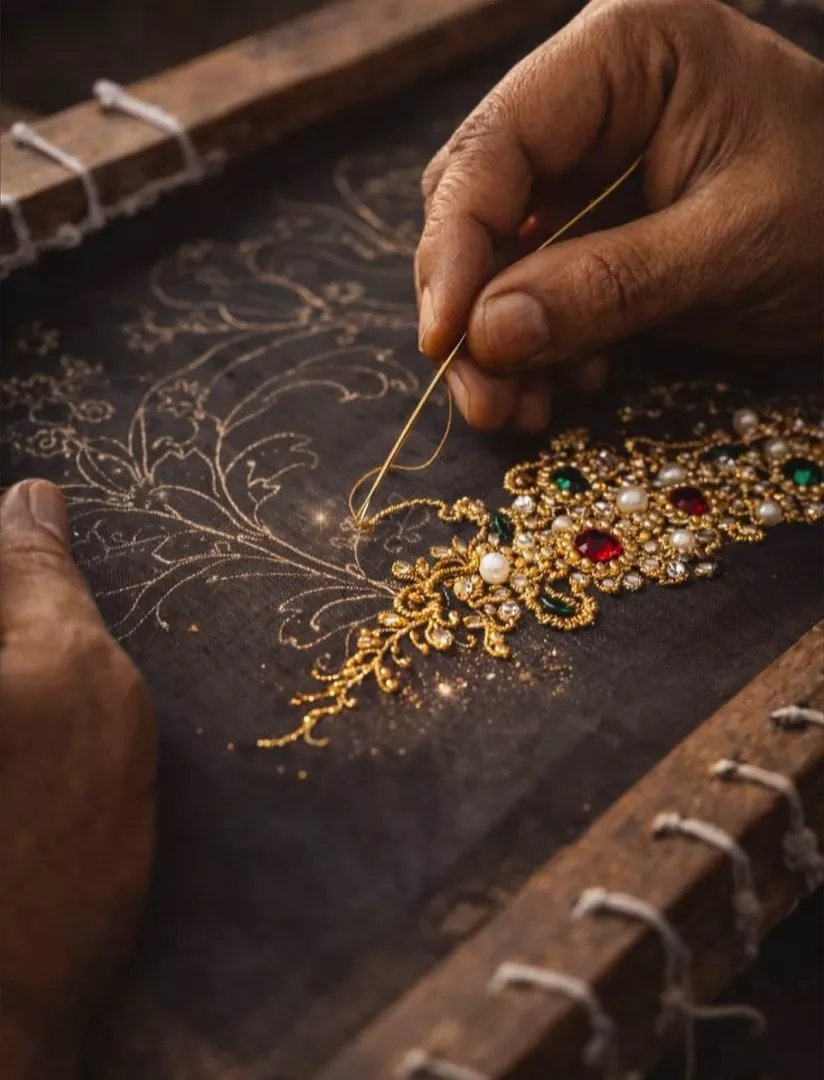
As the dupatta makes its way back into everyday fashion, so does an appreciation for the craftsmanship behind it. Details like intricate beadwork, mirror work, zari embroidery, sequins, and hand-stitched embellishments are once again becoming the centre of attention. Instead of seeing these techniques as something reserved for weddings, younger generations are embracing them as statement pieces that can be styled every day.
In a time when fast fashion often focuses on speed over detail, handcrafted textiles offer something different. Every embroidered motif, every bead, and every stitch reflects the time, skill, and artistry of the people who created it. That uniqueness is exactly what many Gen Z consumers are looking for.
Fashion today isn’t just about wearing something beautiful, it’s about wearing something with a story. By bringing heirloom dupattas and artisan-made pieces back into everyday wardrobes, a new generation is proving that traditional craftsmanship can feel just as relevant as the latest runway trend.
Where Fashion Meets Identity
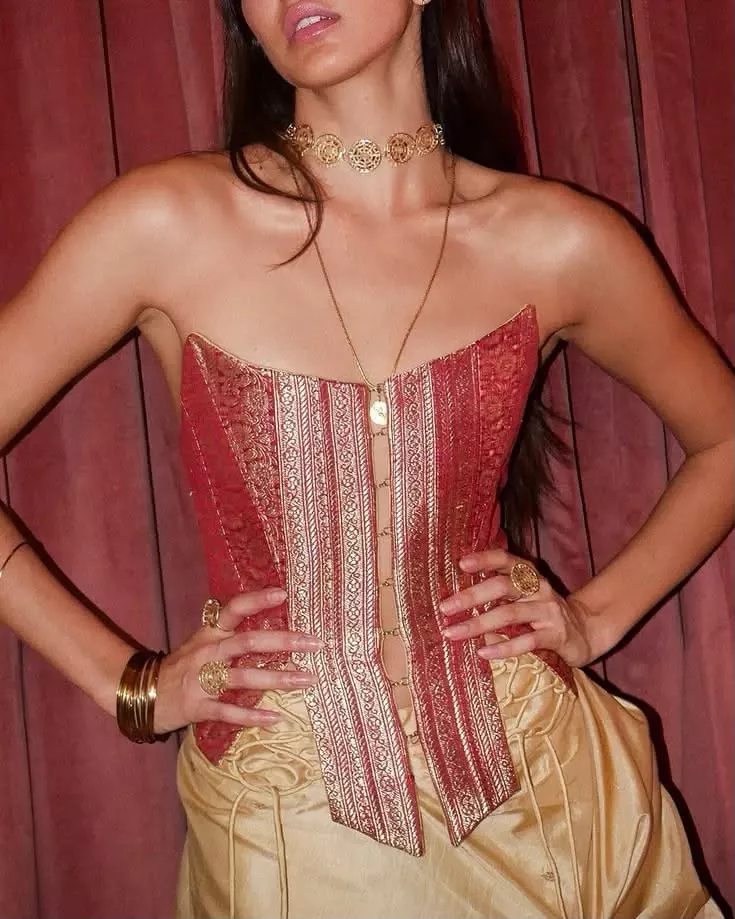
For years, many South Asians grew up feeling like parts of their culture weren’t considered “fashionable.” Traditional pieces like the dupatta, sari, or even accessories like the bindi were often labelled as old-fashioned, “too much,” or something only worn during weddings and religious occasions. Wanting to fit into Western fashion trends, many young people slowly stopped incorporating these pieces into their everyday style.
Today, that narrative is beginning to change.
Fashion influencers and designers are showing that embracing South Asian heritage doesn’t mean giving up modern style. Instead, they’re proving that the two can exist together. A dupatta can be styled with denim, a corset, an oversized blazer, or even layered over a simple dress, allowing young people to celebrate their culture in a way that feels authentic to them.
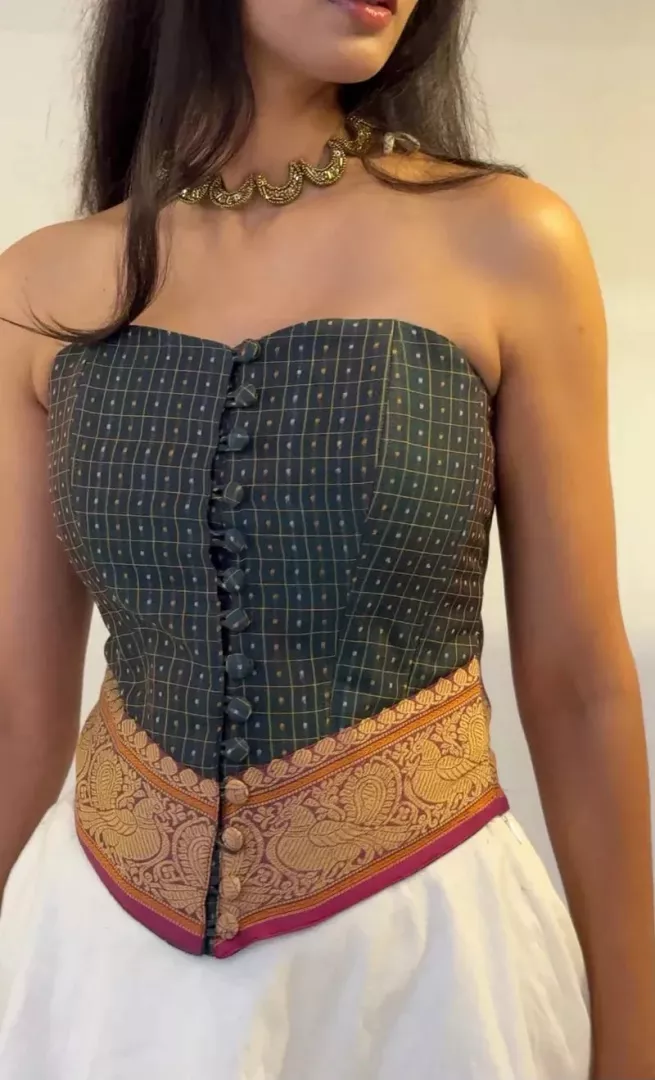
Many are also finding creative ways to upcycle old dupattas passed down by their mothers and grandmothers. Vintage Y2K dupattas are being transformed into Indo-Western kurtis, dresses, and matching co-ords, giving sentimental fabrics a second life instead of leaving them forgotten at the back of a cupboard. It’s a beautiful way of preserving family memories while creating something that reflects today’s fashion.
For many second-generation South Asians, this movement is about more than clothing. It’s about reconnecting with their roots, embracing their identity, and realising that tradition and modern fashion don’t have to exist separately, they can inspire one another.
Fashion is constantly evolving, but some of its most exciting trends come from rediscovering what already exists. The revival of the dupatta shows that heritage isn’t something to leave behind, it’s something that can be reimagined.
Whether it’s styled with denim, or transformed into a completely new garment, the dupatta is proving that tradition can be just as fashionable as the latest runway trend. For Gen Z, it’s no longer just a piece of fabric; it’s a way of celebrating culture, creativity, and individuality all at once.