
From Yerevan’s rose-coloured streets to the green valleys of Lori, Armenia unfolds through ancient monasteries, mountain adventures, generous tables and a warmth that lingers long after the journey ends.
Some destinations offer a change of scenery. Others quietly alter your rhythm.
Armenia belongs to the latter.
Set within the dramatic terrain of the South Caucasus, it is a country that reveals itself gradually. Ancient monasteries emerge from mountainsides, cosmopolitan streets lead towards silent valleys, and traditions carried through generations remain part of everyday life.
I arrived expecting history and striking scenery. What I discovered was far more compelling: a destination with texture, character and an extraordinary ability to make the simplest moments memorable.
This was not a journey defined by landmarks alone. It unfolded through the scent of lavash rising from a traditional tonir, the cool air beside Lake Sevan, the stillness inside a monastery carved into rock and the steady rhythm of a horse moving through the hills of Lori.
Armenia does not reveal everything at once. It asks you to slow down and look more closely.
Yerevan: The Rose-Coloured Beginning
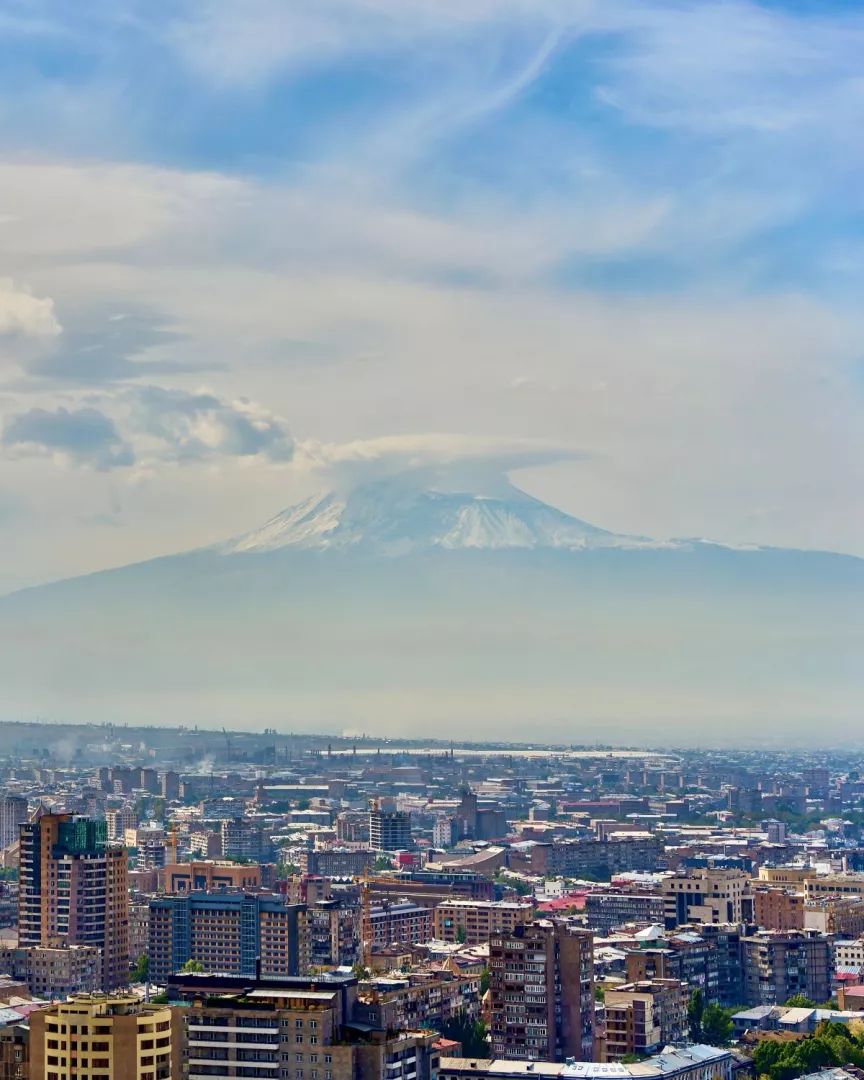
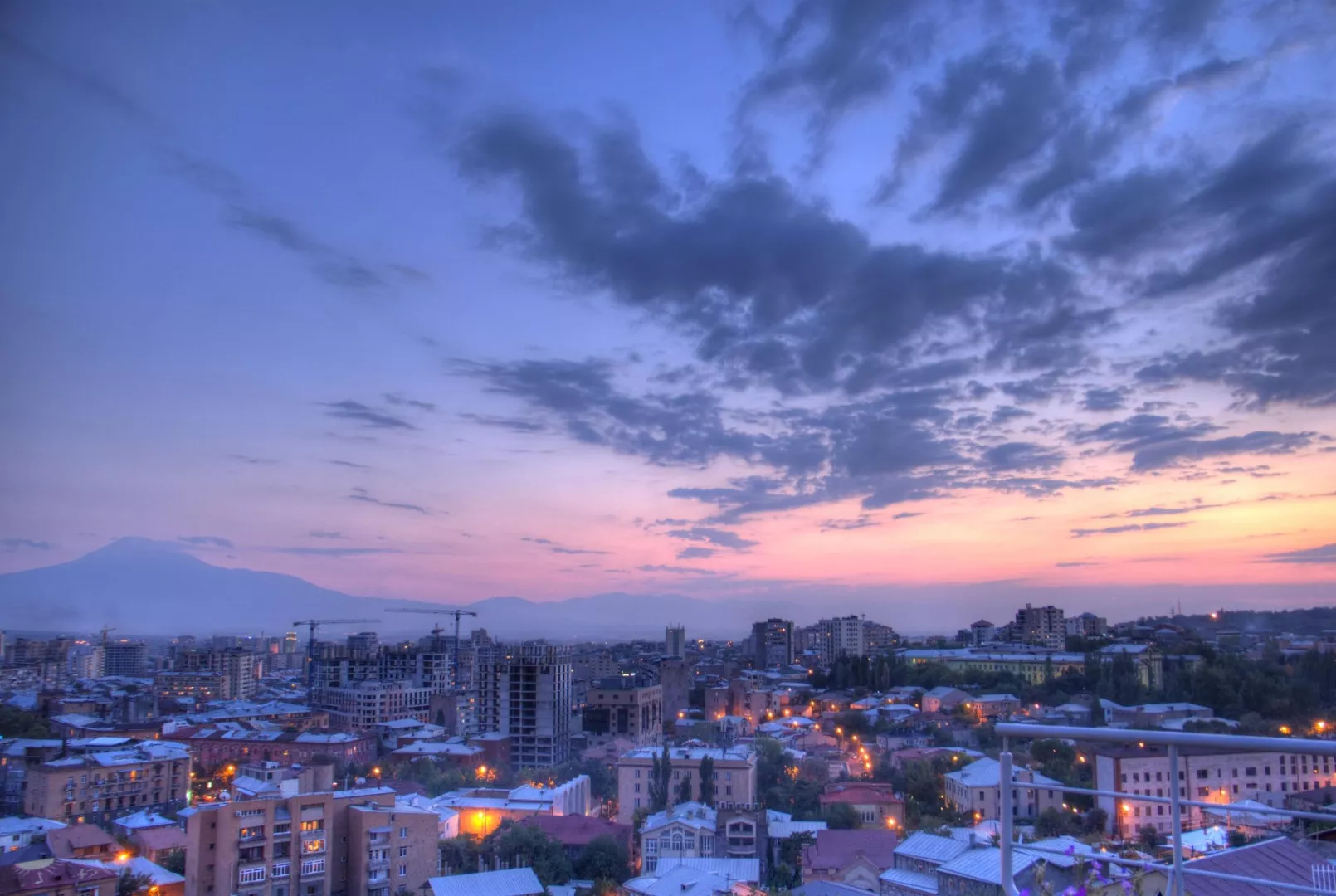
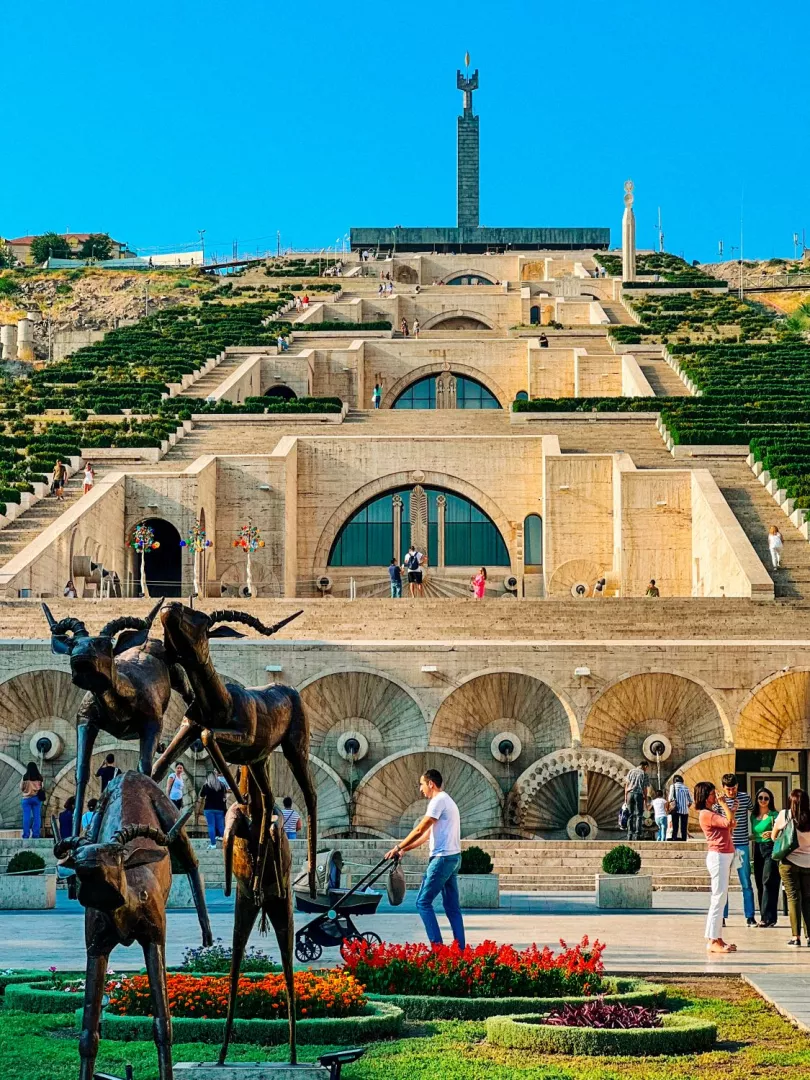
The journey began in Yerevan, a city bathed in shades of pink, apricot and amber.
Known as the Pink City because of the volcanic tuff stone used throughout its architecture, Armenia’s capital possesses an effortless elegance. In the late-afternoon light, its buildings glow, fountains move across grand squares and café tables spill onto wide pavements.
Yet Yerevan’s appeal extends beyond its architecture.
There is an energy here that feels youthful yet deeply rooted. Contemporary galleries, design-led restaurants and lively terraces sit alongside historic landmarks and traditional taverns. Music drifts through the streets, friends gather beneath the trees and the city continues late into the evening without ever appearing hurried.
It feels cosmopolitan, but never anonymous.
My introduction to Armenia came, fittingly, around the dinner table.
Armenian hospitality is generous without ceremony. Dishes arrive in abundance, stories are shared freely and meals are rarely rushed. Fresh herbs, grilled meats, local cheeses, seasonal vegetables and warm bread filled the table, each carrying a sense of place and family tradition.
It offered the perfect first glimpse of the Armenian approach to hospitality, where a guest is welcomed not as an outsider, but as someone expected to stay a little longer.
Garni: History Beneath an Open Sky
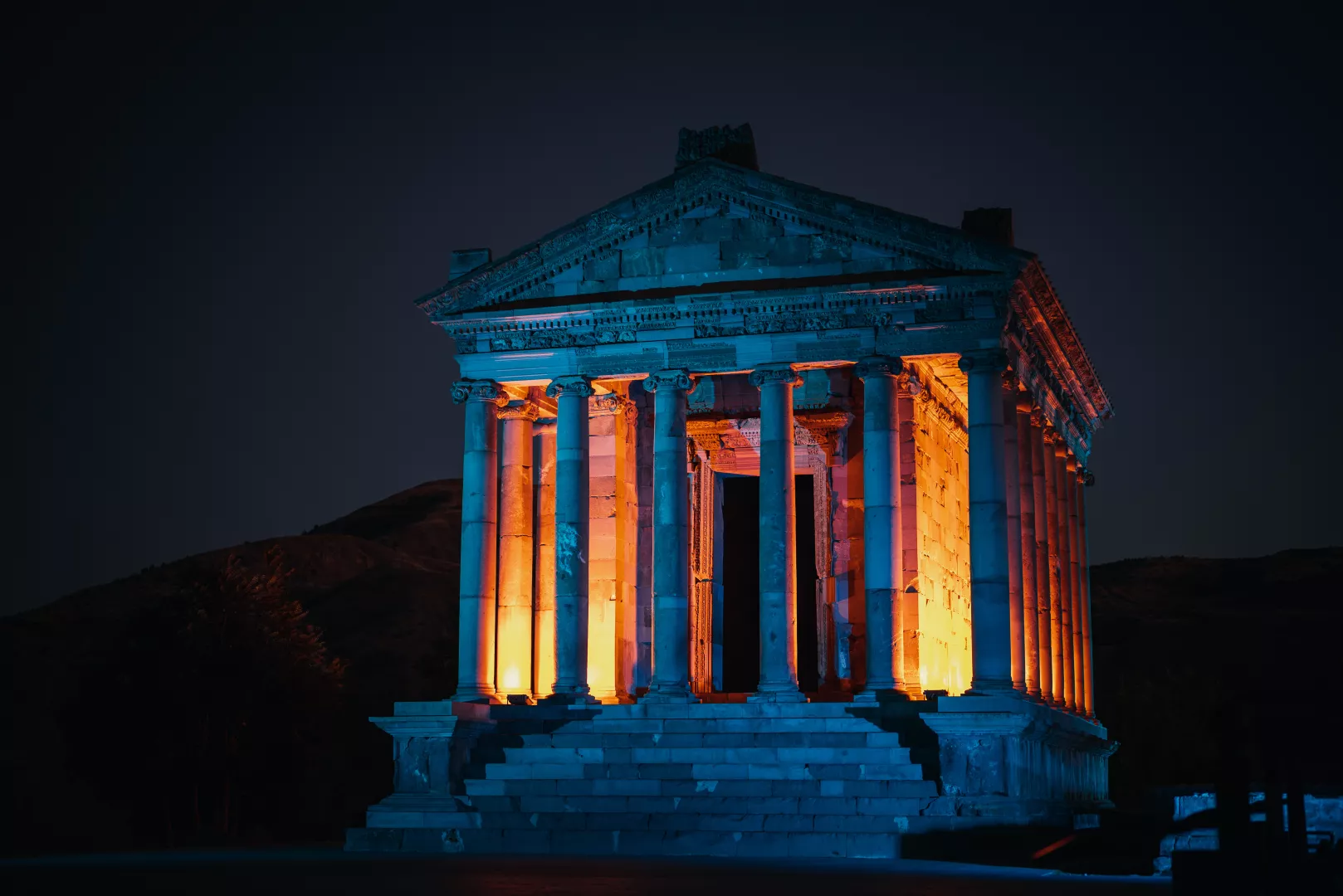
Leaving Yerevan, the city gradually gave way to open roads, rugged mountains and vast skies as we travelled towards Garni Temple.
Standing above a dramatic gorge, the temple appears almost theatrical against its surroundings. Its classical columns and precise proportions provide a striking contrast to the raw terrain beyond them.
There is something powerful about encountering ancient architecture in such an open setting. Garni is not separated from the natural world by museum walls. Wind passes between its columns, birds circle above the valley and the mountains form its backdrop.
Here, history does not feel distant. It remains firmly connected to the land.
Yet the most memorable part of Garni was not simply seeing the monument. It was discovering the traditions that have survived around it.
Lavash: Bread, Fire and Memory
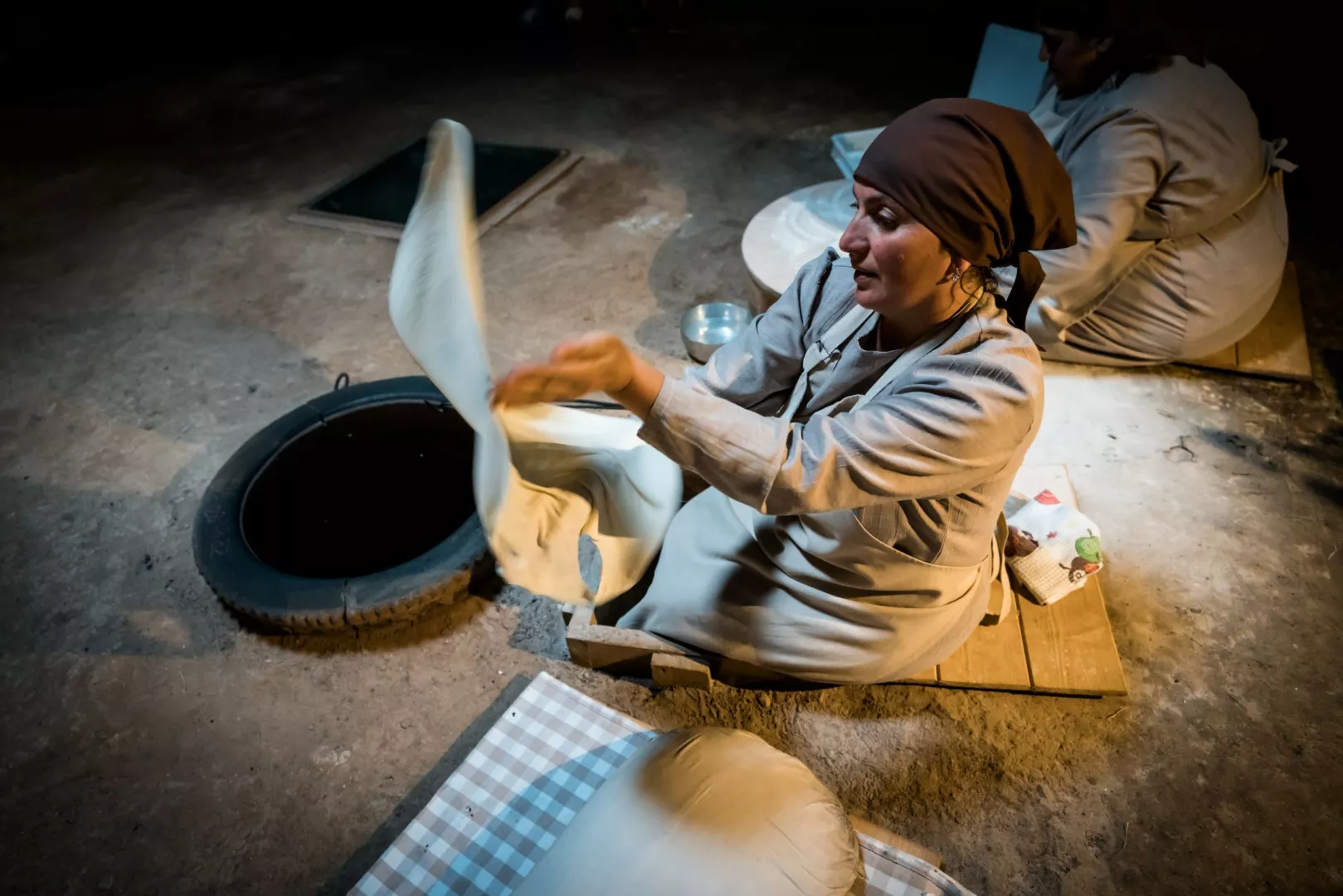
Near the temple, we gathered around a tonir, the traditional underground clay oven used to bake lavash.
The process appeared simple, but every movement revealed years of skill.
The dough was rolled and stretched until almost translucent, then carefully placed against the hot inner wall of the oven. Within moments, it became a soft, blistered sheet of bread, warm enough to release a cloud of fragrant steam when lifted.
I took part in preparing it, although my efforts lacked the effortless precision of the women guiding us. Their hands moved with an instinct passed from one generation to the next.
Lavash is far more than an accompaniment to a meal. It represents family, celebration and continuity. To make it is to participate, however briefly, in one of Armenia’s most treasured traditions.
Fresh from the tonir, it needed little more than local cheese, herbs and ripe tomatoes.
Lunch followed in a setting that seemed perfectly composed. Garni Temple stood on one side, while green mountains stretched into the distance on the other.
Food, history and nature came together without competing for attention.
It was luxury in its most persuasive form. Not excess or ceremony, but access to something genuine and deeply connected to its surroundings.
The Symphony of Stones: Architecture by Nature
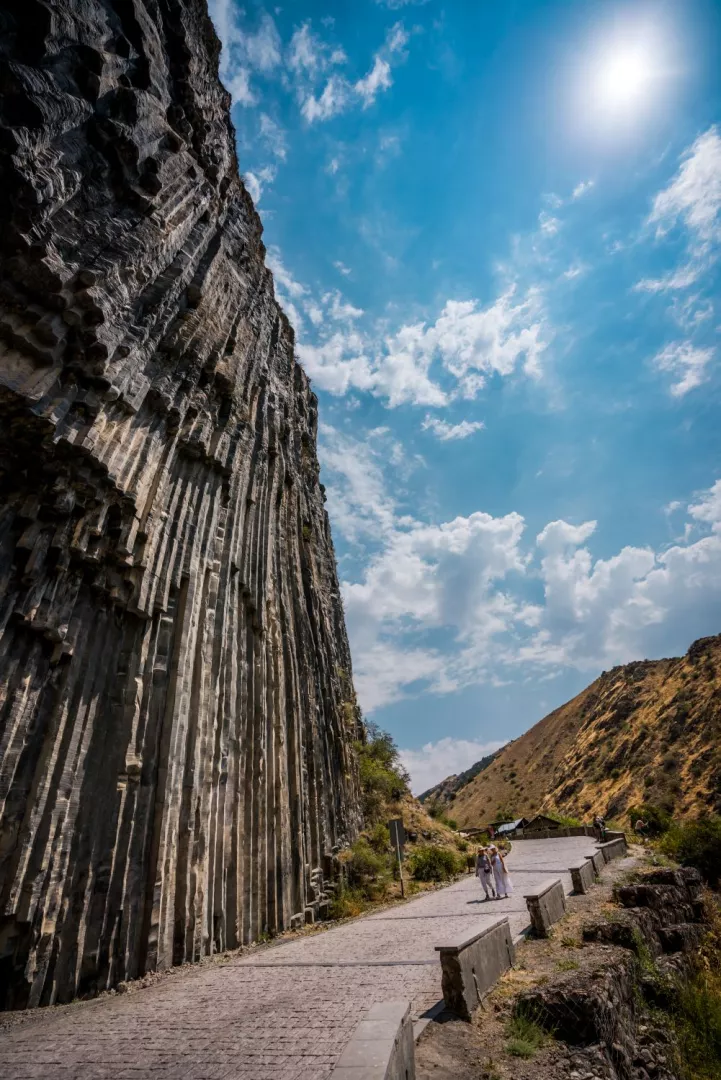
A short journey from Garni brought us into the gorge below, where the Symphony of Stones rises along the cliff face.
Towering basalt columns form remarkable geometric patterns, resembling the pipes of an enormous organ carved into the earth.
It is difficult to believe that no human hand designed them.
Formed over thousands of years, the columns possess a precision usually associated with architecture. Yet their scale and natural setting make them more impressive than anything deliberately constructed.
Standing beneath them, the gorge felt almost cathedral-like. The air was cooler, the sound of the river echoed between the rocks and the formations seemed to silence everyone who entered.
One moment, we had been learning how bread was made by hand. The next, we were standing beneath a geological wonder that appeared to belong to another world.
In Armenia, the intimate and the monumental are often only a short journey apart.
Geghard: Silence Carved into Stone
Further into the mountains, Geghard Monastery offered a more contemplative encounter with Armenian heritage.
Partially carved into the surrounding rock, the monastery seems to emerge from the mountain itself. Its exterior is austere and commanding, but it is inside that Geghard reveals its true atmosphere.
Light enters through narrow openings, falling softly across ancient walls. Every footstep carries through the chambers, and even the quietest sound seems to linger.
The stillness inside Geghard cannot be manufactured. It feels spiritual without demanding explanation, shaped by centuries of prayer, pilgrimage and human presence.
The architecture is extraordinary, but what remains most vividly is the atmosphere: cool stone beneath the hand, candlelight moving across carved walls and a silence so complete that it becomes part of the encounter.
Lake Sevan: Armenia in Blue
From ancient stone, the journey turned towards water.
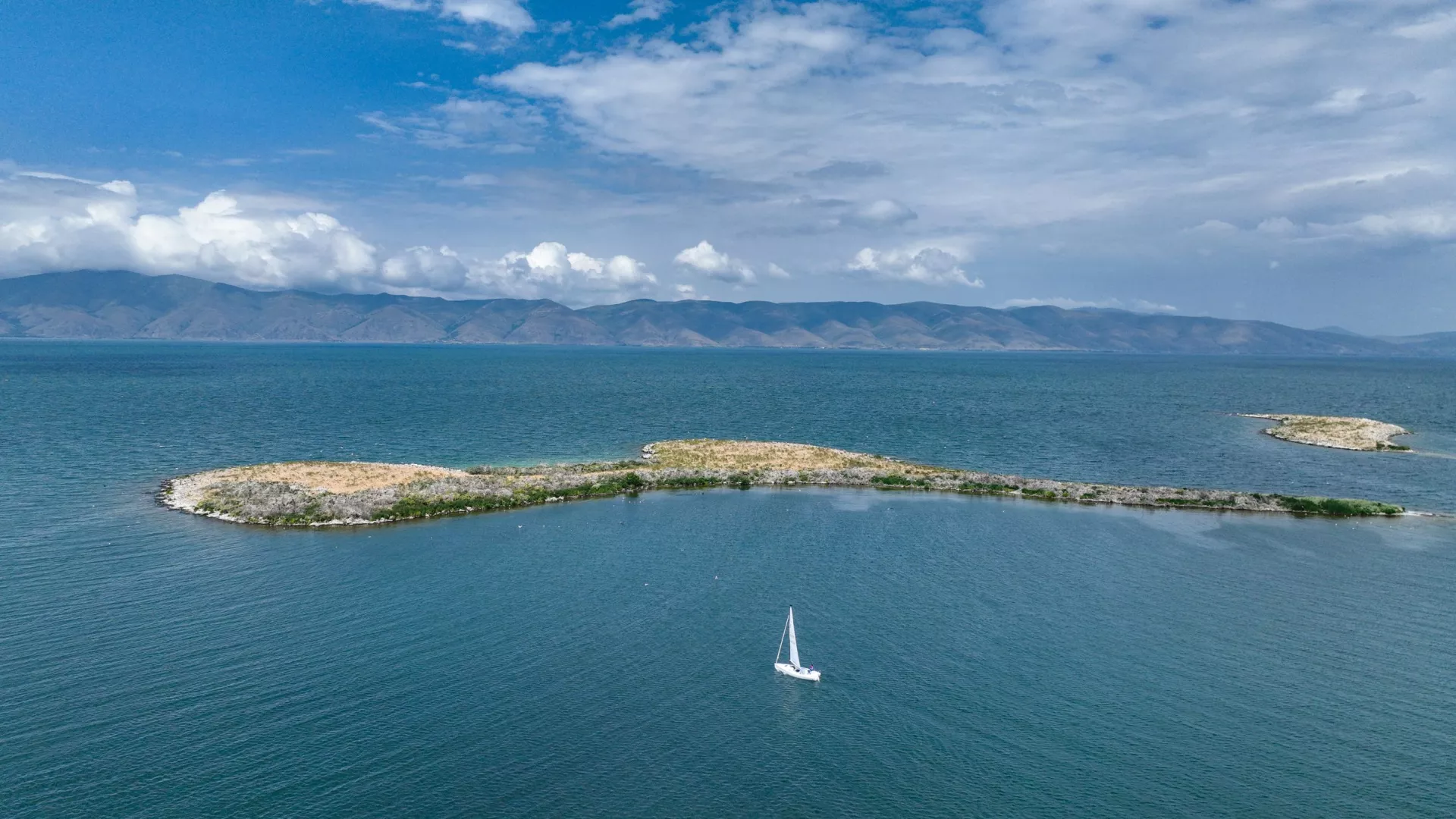
Lake Sevan appeared almost suddenly, a vast expanse of blue set high among the mountains. Its colour shifted with the light, moving between deep sapphire and silver as clouds passed overhead.
Its scale feels closer to a sea than a lake. Mountains line the shore, emphasising the sense of openness and distance.
Beside the water, the air was cooler and cleaner. The horizon widened, conversation slowed and the pace of the day changed naturally.
There was nothing complicated about the moment. Just blue water, mountain air and room to breathe.
In an age when travel is often arranged, filtered and overproduced, Lake Sevan offered something increasingly precious: a view that required nothing except attention.
Dilijan: A Softer Rhythm
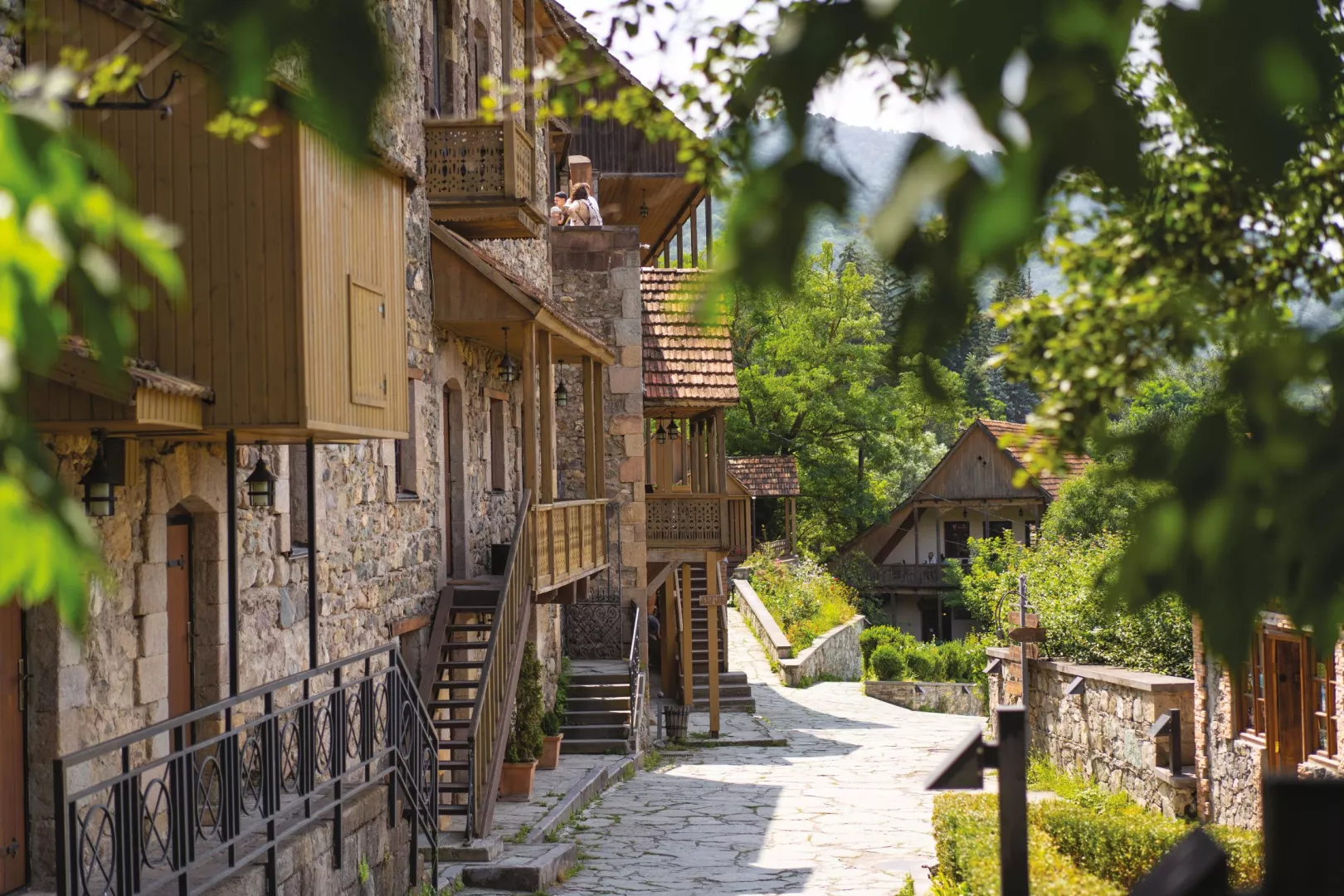
From Sevan, we continued towards Dilijan, where dense forests replaced exposed mountains and traditional houses with carved wooden balconies lined the quiet streets.
The town possesses a softer, more romantic character than the landscapes surrounding Lake Sevan.
Its beauty is understated. The pleasure lies in walking without urgency, noticing the craftsmanship of an old doorway, stopping for coffee or allowing lunch to stretch beyond its intended ending.
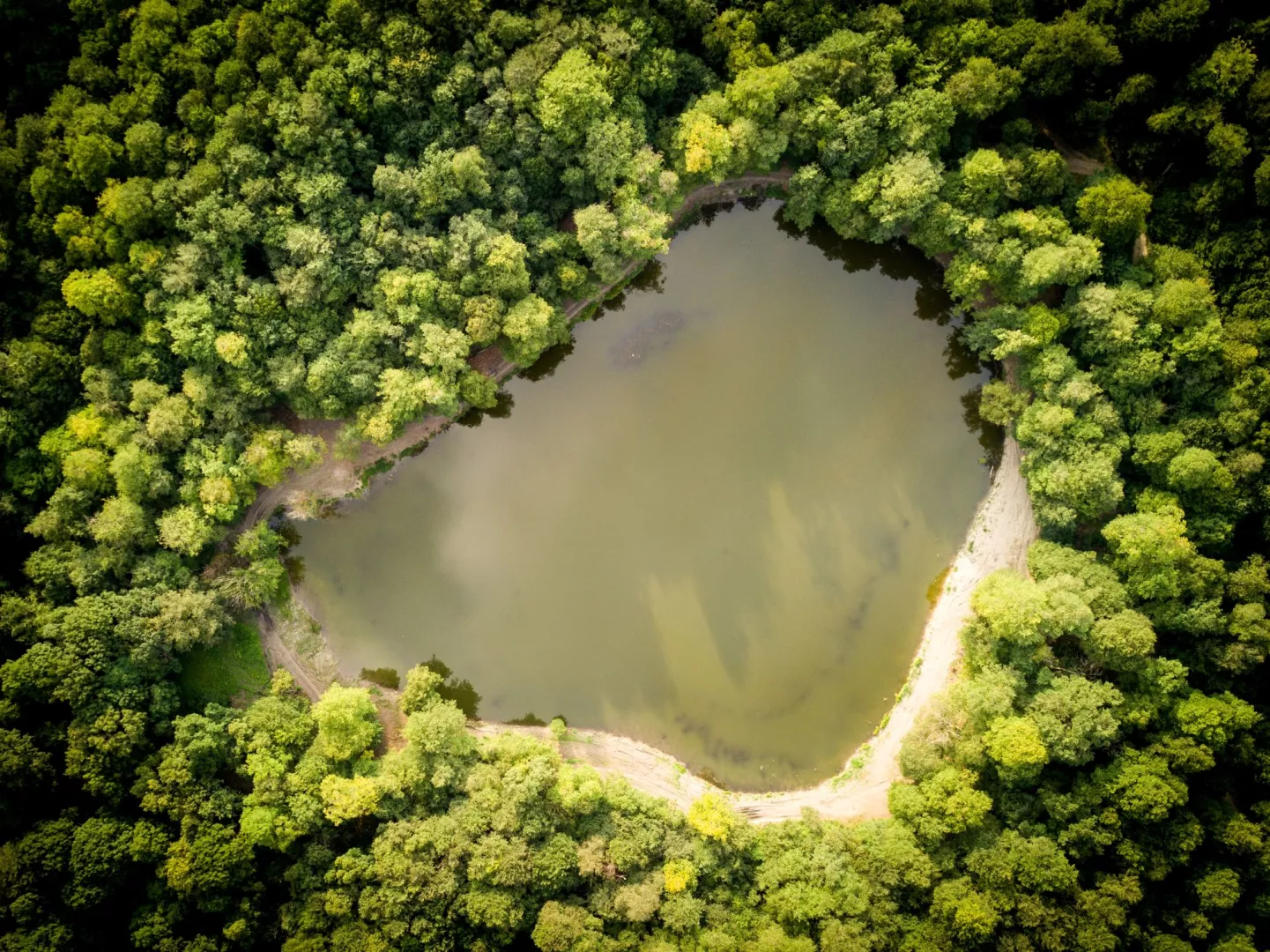
Surrounded by forested hills, Dilijan feels like a retreat from noise. Nature is not something visited from the town. It is woven into it.
The air carries the scent of trees, the streets encourage wandering and time begins to feel considerably less important.
Lori: Into the Wild
If Dilijan softened the journey, Lori opened it completely.
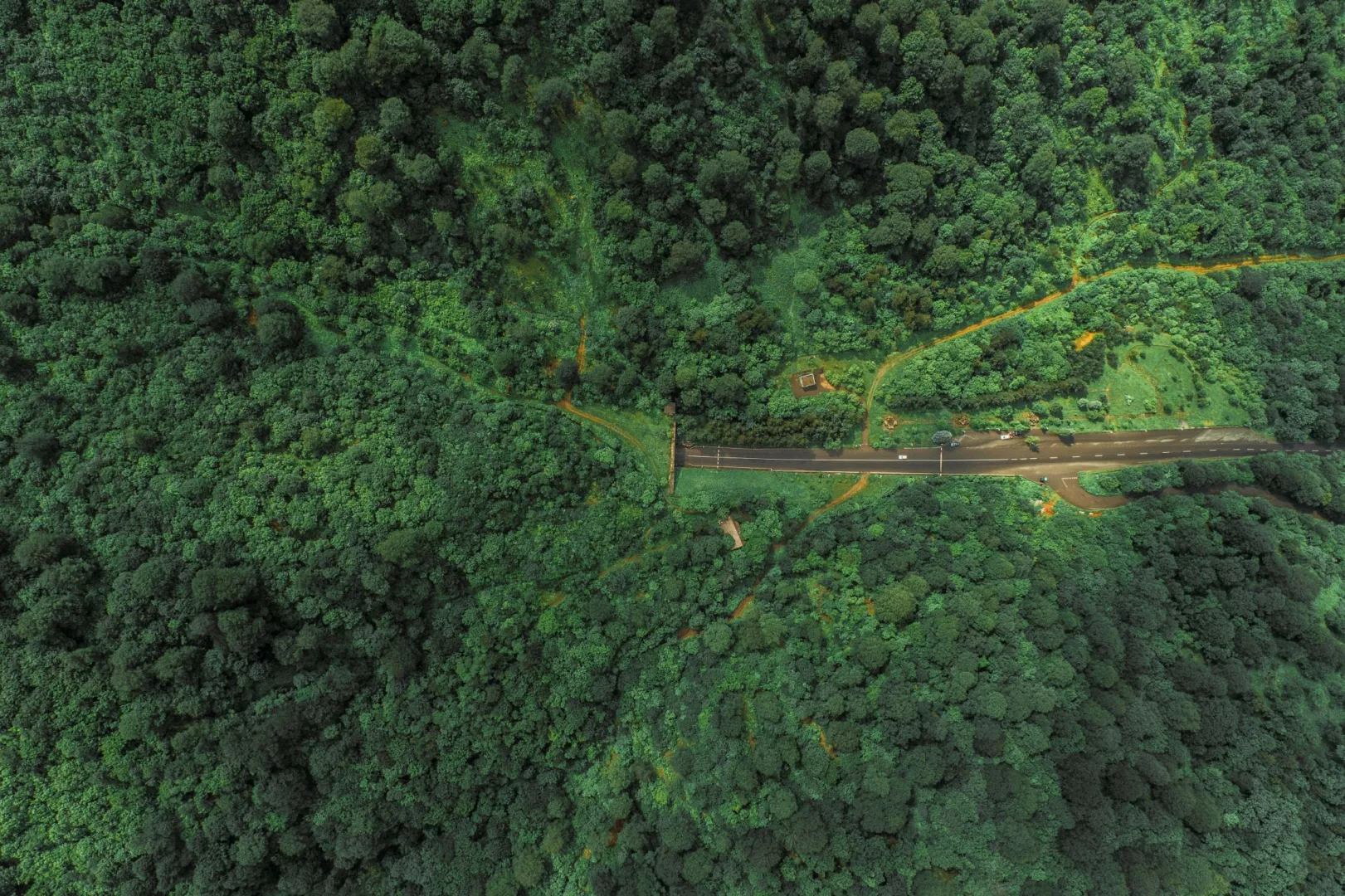
The region appeared in vast folds of green, with mountains, valleys and forests extending towards the horizon. Roads curved through seemingly untouched countryside, passing small villages and open fields along the way.
Lori was the place that stayed with me most deeply.
There is a cinematic quality to its scenery, but it never feels staged. Clouds cast moving shadows across the hills, horses graze in open meadows and the silence is broken only by the wind or distant birdsong.
Exploring the region on horseback brought a new intimacy to the journey.
The pace of the horse changed the way I observed everything. Details that would have disappeared from a car became impossible to miss: wildflowers beside the trail, grass moving beneath the breeze and the changing colours of the mountains as the light shifted.
There was adventure, certainly, but also a profound sense of calm.
Horse riding through Lori did not feel like an activity added to an itinerary. It felt like the most natural way to understand the region.
Concept by COAF: A Room Within the Landscape
Our time in Lori included a stay at Concept by COAF, a property created around its relationship with the surrounding environment.
Rather than competing with the scenery, the hotel allows nature to remain the focus. Modern architecture, restrained interiors and expansive views create an atmosphere of thoughtful simplicity.
The appeal lies less in conventional grandeur and more in the luxury of retreat.
There is space to breathe, to watch the light move across the mountains and to enjoy the increasingly rare pleasure of having nowhere else to be. The interiors feel calm and considered, while the natural surroundings remain visible through every window.
This was not merely a place to sleep between destinations. It became part of the journey itself.
The most memorable hotels do not separate guests from a place. They bring them closer to it. Concept by COAF achieves this with quiet confidence.
Armenia in Motion
Armenia’s history may be ancient, but the country is not experienced only through monuments and museums.
A cycling excursion with Garni Adventure revealed another perspective.
Following mountain paths and travelling through open countryside offered a more immediate way to encounter the terrain. Every incline, turn and change in the air could be felt.
It highlighted a side of Armenia that deserves greater attention.
This is a country for travellers who want to move through nature rather than simply observe it. Cycling, horse riding, hiking and other outdoor pursuits sit naturally alongside its cultural heritage.
Adventure here does not feel artificially added. It belongs to the environment.
Gyumri: Creativity, Character and Charm
The journey continued to Gyumri, a city with an entirely distinct personality.
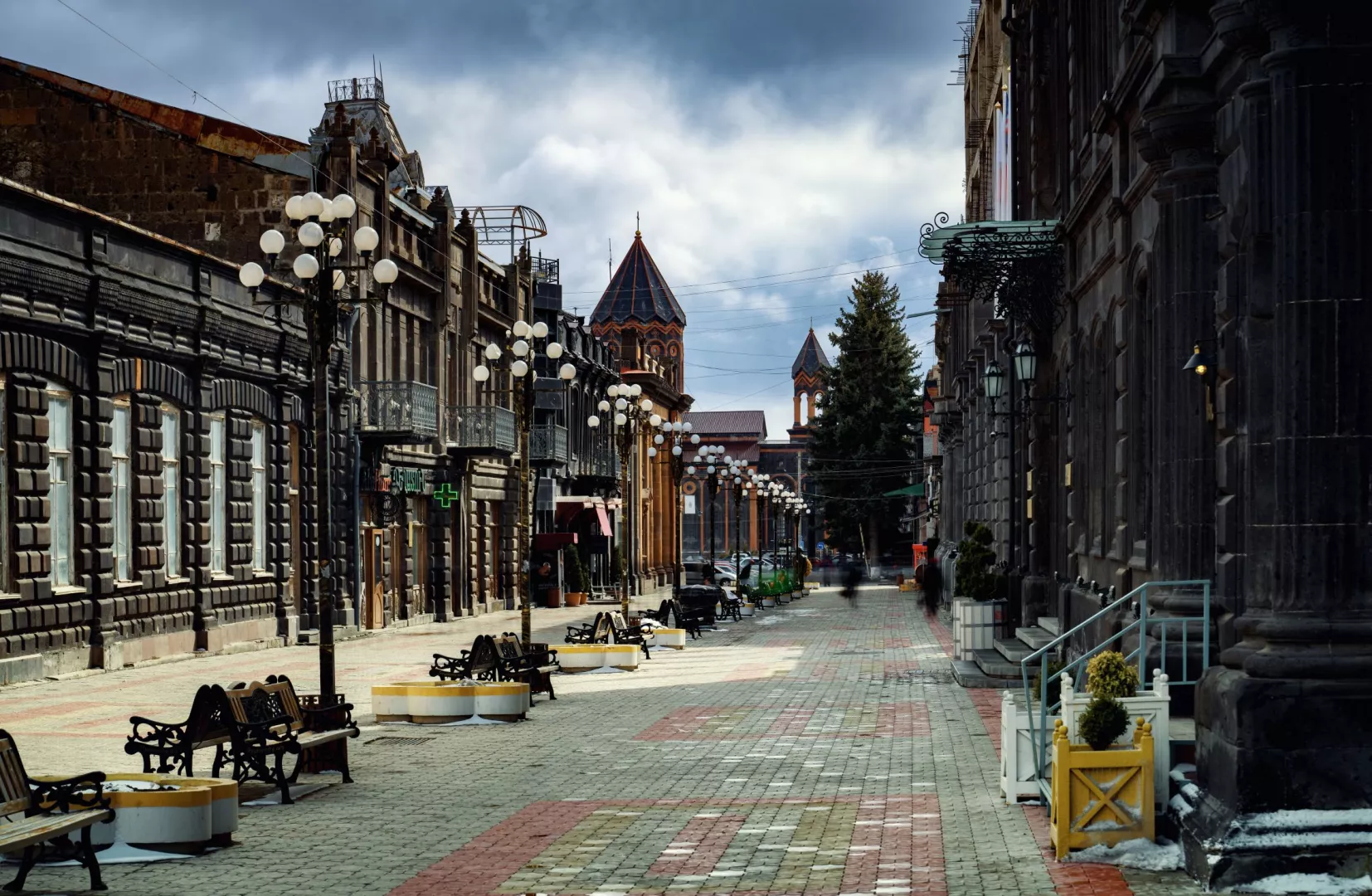
Known for its artistic heritage, dark-stone architecture and sharp sense of humour, Gyumri feels lived-in and wonderfully individual.
Its streets carry traces of different eras, while studios, workshops and galleries reflect the creativity for which the city is known. Buildings possess a slightly weathered grandeur, and every corner seems capable of producing a story.
Gyumri has not been polished into perfection, and that is precisely its charm.
It is a city defined by character rather than choreography, inviting visitors to discover the art, humour and resilience that shape its identity.
Echmiadzin and Zvartnots: A Final Encounter with History
As the journey drew towards its conclusion, we visited Echmiadzin, the spiritual centre of the Armenian Apostolic Church.
Its contemplative atmosphere offered another reminder of how deeply faith and history are intertwined with Armenia’s national identity.
Nearby, the ruins of Zvartnots Cathedral stood beneath the open sky.
Although only fragments of the original structure remain, its circular form, carved columns and mountain setting continue to convey the ambition of what once stood there.
There is something moving about ruins. They ask the imagination to complete what time has taken away.
At Zvartnots, history felt less like something lost and more like something still speaking.
The Journey That Remains
I left Armenia carrying more than photographs.
I remembered the warmth of lavash lifted from the tonir, the changing blue of Lake Sevan and the quiet beneath Geghard’s stone ceilings. I remembered the valleys of Lori, the rhythm of a horse beneath me and evenings in Yerevan when the city seemed to glow as the sun began to fall.
Most of all, I remembered the people.
Their hospitality never felt rehearsed. It appeared in generous meals, patient conversations, shared traditions and a sincere desire for visitors to understand the country beyond its landmarks.
Armenia is often described through its ancient history, and rightly so. Yet to view it only through the past would be to overlook the energy of its present.
This is a destination where design, gastronomy, adventure and contemporary creativity sit naturally beside monasteries, craftsmanship and centuries-old rituals.
Its luxury is quiet.
It is found in landscapes that still feel wild, food prepared according to memory and encounters that remain personal. It is in the freedom to move slowly, look closely and discover a country that has not been transformed into something overly familiar.
There are places you visit, photograph and eventually forget.
Armenia is different.
It becomes a story you continue telling.
Discovering Armenia