
A single river may now be hiding an entire national controversy
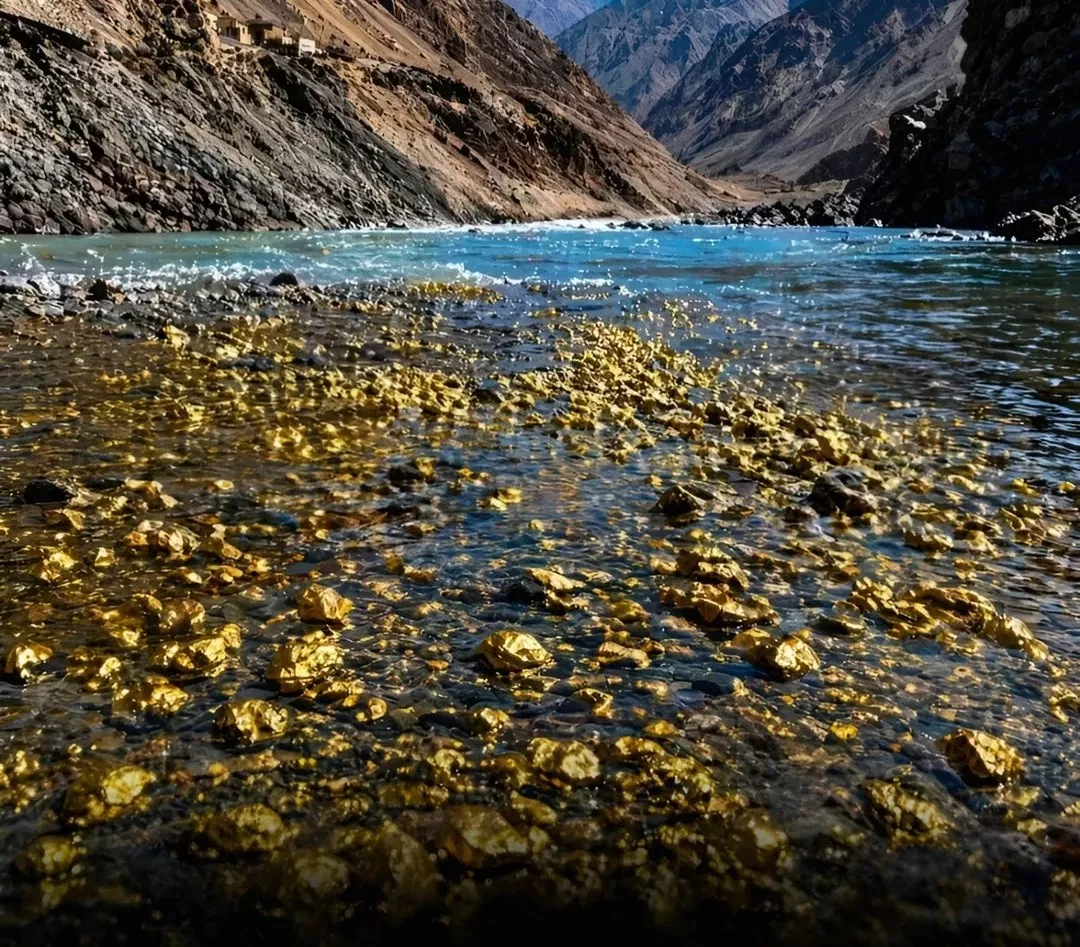
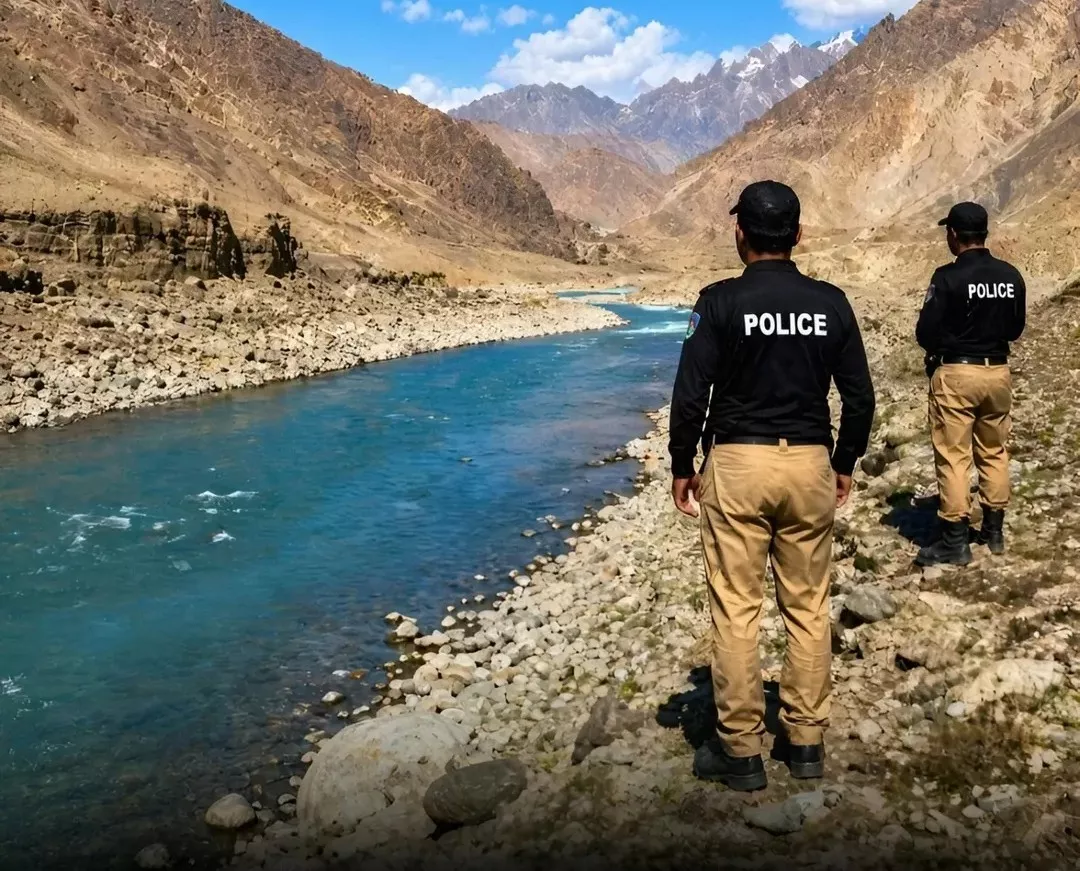
Pakistan’s Indus River has become the center of attention after reports revealed the presence of massive gold-rich sediments estimated to be worth billions of dollars. The discovery has increased focus on placer gold deposits spread across the riverbed, while authorities are moving to stop illegal mining activities that have already started expanding in several affected areas.
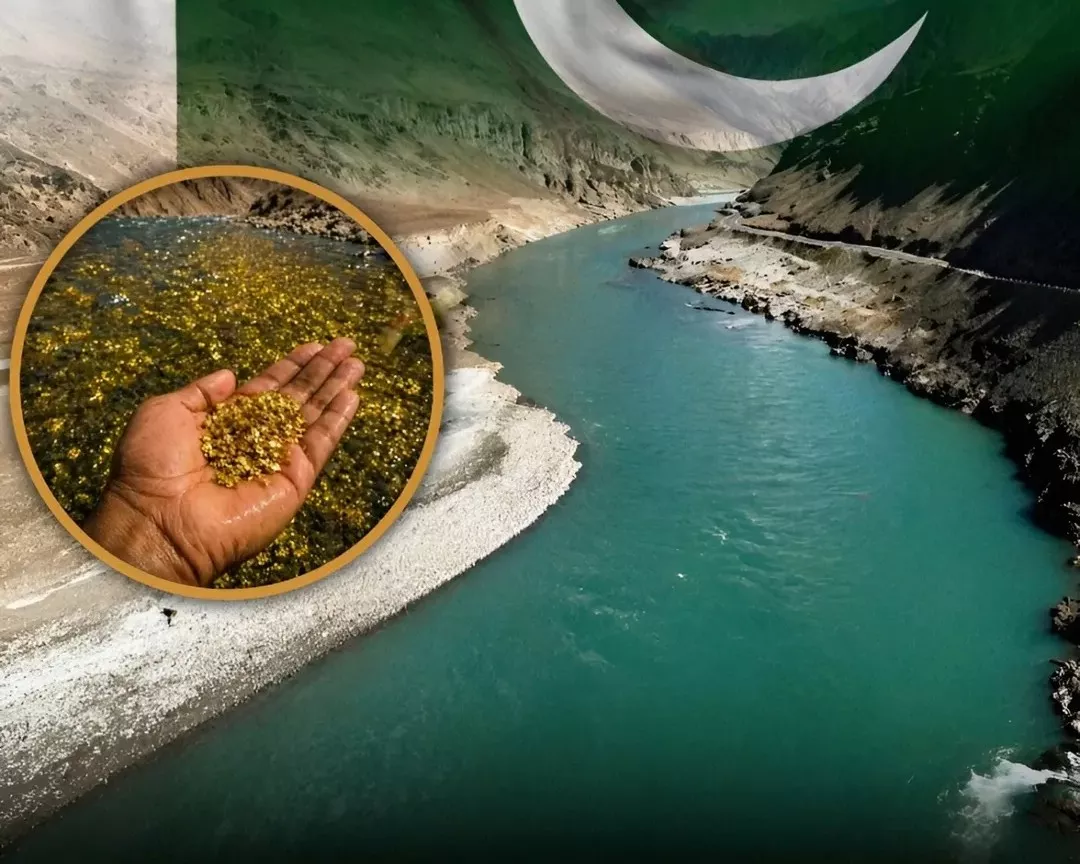
The irony is striking. For centuries, the Indus River has been associated with water, agriculture, and the rise of ancient civilizations. Today, however, it is increasingly being viewed as an open mining zone filled with untapped wealth.
But the real story goes far beyond gold itself.
The growing debate inside Pakistan is now centered around ownership, environmental consequences, and who will ultimately benefit from this newly discovered wealth. Questions are emerging over whether these resources will support the broader population or end up concentrated in the hands of a limited few.
Environmental concerns are also becoming impossible to ignore. Experts fear that uncontrolled excavation and illegal extraction could damage river ecosystems, affect surrounding communities, and create long-term environmental costs that may outweigh the immediate financial excitement.
Natural resources alone have never guaranteed prosperity. The way they are managed is what truly shapes a country’s future. While the discovery of gold beneath the Indus River is creating excitement today, the real challenge may begin once the race to control it officially starts.