
Rolex watches are synonymous with luxury, precision, and long-term value. Yet, despite soaring gold prices and new tariffs imposed by the Trump administration, the Swiss watchmaker has not significantly increased its retail prices since May 2025. What explains this surprising restraint, and how does Rolex manage the financial pressures of gold costs and import duties?
1. Gold Prices Have Reached Record Levels
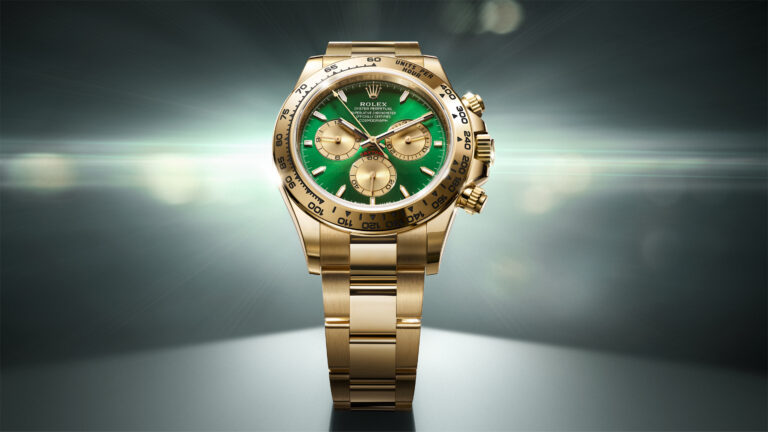
Gold now accounts for nearly half the retail cost of a Rolex Daytona. A Daytona ref. 116508, weighing 218 grams, contains approximately 198 grams of 18ct gold. With the price of gold surging from $2,700 per ounce to over $4,200 per ounce, the cost of raw gold alone has nearly doubled, highlighting the unusual stability in Rolex pricing.
2. The Impact of Tariffs
The United States recently imposed an additional 39% tariff on imported goods, including luxury watches. Despite these duties, Rolex has maintained prices, suggesting confidence in either a temporary nature of the tariff or strategic hedging to offset the impact.
3. Why Prices Haven’t Risen Yet
Several factors may explain Rolex’s restraint:
Temporary Tariffs: Rolex might expect a reduction in tariffs soon. Raising prices prematurely could harm sales if rates are lowered.
Gold Reserves: Rolex owns gold reserves and its own foundry, potentially bought at lower prices, allowing them to absorb short-term spikes.
Hedging Strategy: Investments in assets like Bitcoin or currency hedges may offset the cost of rising gold.
Long-term Planning: Rolex famously plans decades ahead, preferring stability and market confidence over short-term profits.
4. The Strategic Advantage of Patience
Rolex’s approach demonstrates that luxury brands often prioritize long-term market positioning. Avoiding sudden price increases protects the US market and ensures continued demand, even when raw material costs are high.