
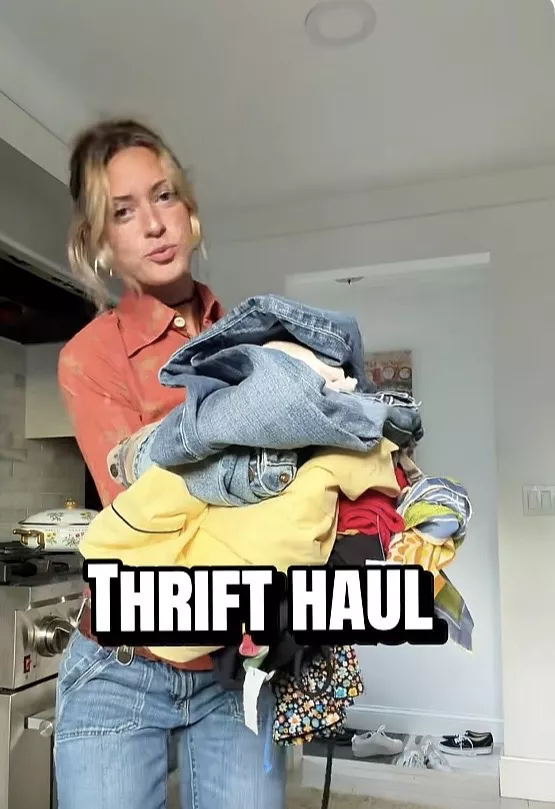
Fashion is no longer just about buying the newest viral piece. Today, it’s not the latest Zara summer set or the Spring 2026 Chanel handbag that is capturing Gen Z’s attention. Instead, young consumers are increasingly drawn to vintage finds, thrifted treasures, and upcycled pieces that feel unique to them.
As fashion becomes a stronger form of self-expression, Gen Z is moving towards thrifting, vintage shopping, and transforming old clothes into something new. In a world where trends come and go quickly, individuality has become just as important as style itself. Alongside this shift, sustainability is influencing the way young people shop, with old and forgotten garments being given a second life and turned into statement pieces.
Giving Forgotten Fabrics a Second Life
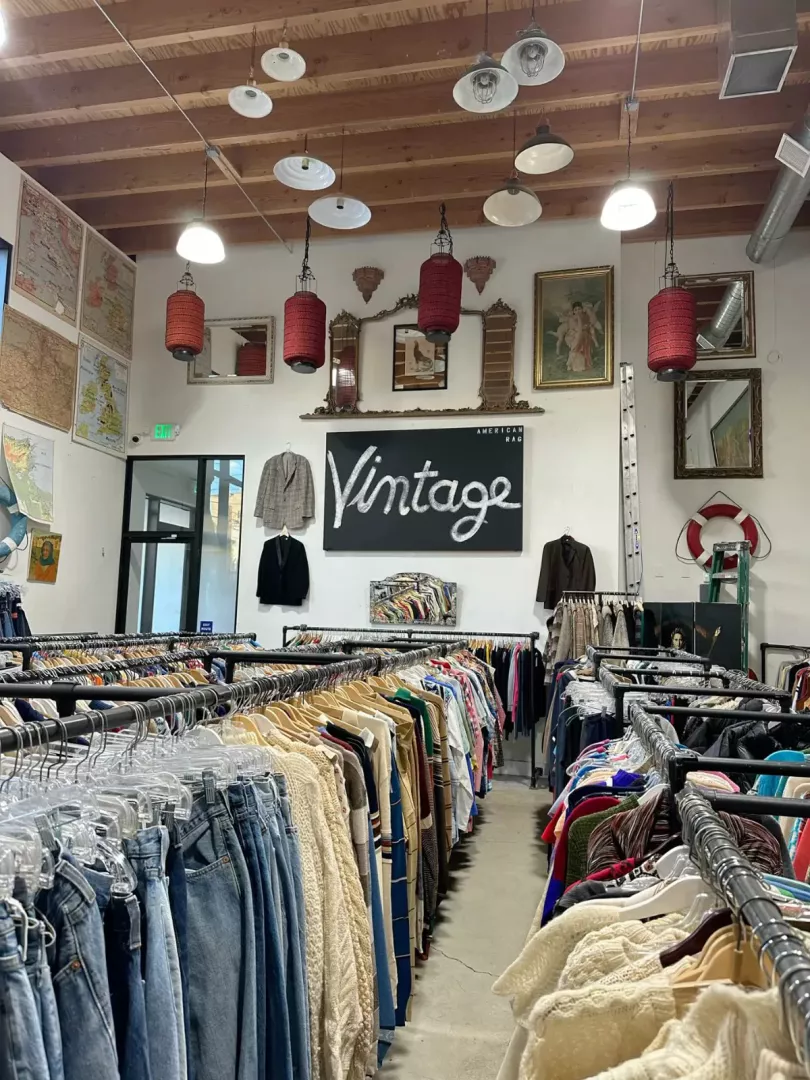
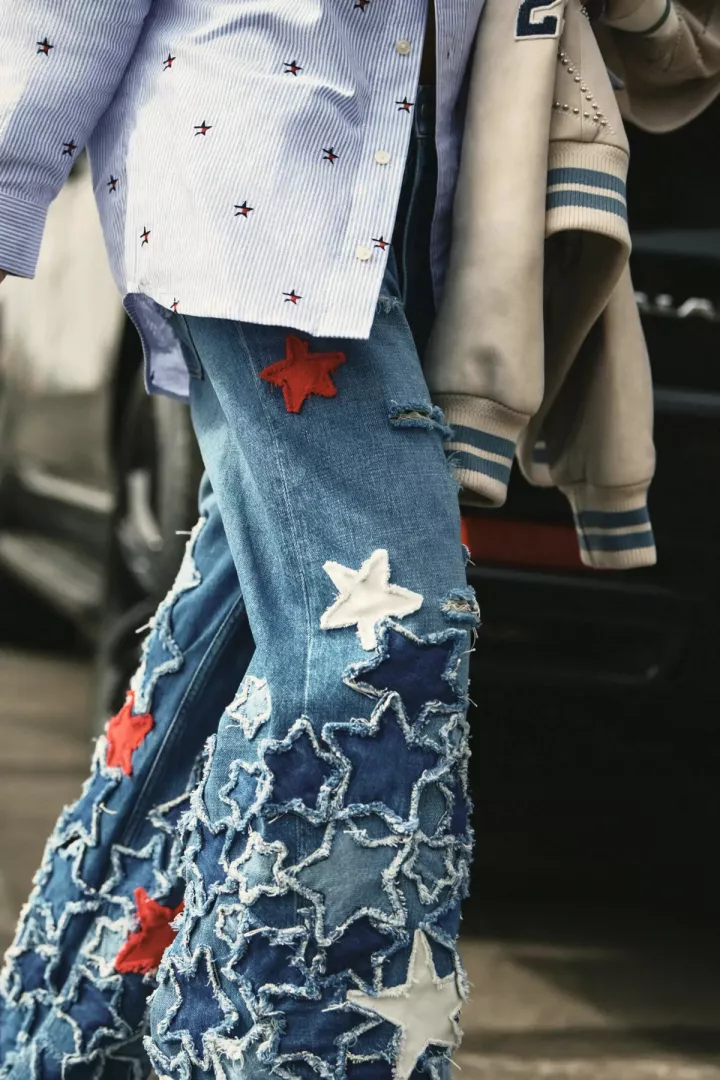
Gen Z has found creative ways to transform jeans, T-shirts, scarves, and even unconventional materials such as curtains and blankets into unique wearable pieces for both everyday wear and special occasions. From turning curtains into stylish two-piece sets to using blankets as material for comfortable yet fashionable hoodies, young consumers are constantly finding new ways to express themselves through fashion.
Whether it’s customised denim transformed into patchwork jeans, reworked jerseys personalised to match an individual’s style, or vintage scarves repurposed as tops and head accessories, these one-of-a-kind pieces have become increasingly popular among younger audiences. In a world where trends are easily accessible, many Gen Z consumers are choosing fashion that feels personal, allowing their individuality and creativity to stand out from the crowd.
The TikTok Effect on Fashion Culture
Unlike previous generations, Gen Z has grown up in a world where trends spread instantly through social media. As a result, many young consumers are moving away from mass-produced fashion and looking for pieces that feel more personal. Wearing something that has been customised, thrifted, or upcycled allows them to tell a story through their clothing rather than simply following a trend.
Viral social media trends, including TikTok thrift flips and “come sew with me” videos, have taken Gen Z fashion by storm. Young audiences are visiting thrift stores or rediscovering old clothes in their wardrobes and transforming them into pieces inspired by their Pinterest boards, all from the comfort of their own homes with the help of quick and easy tutorials.
Fashion influencers have played a huge role in this movement. Many creators vlog their trips to thrift stores, show off their finds, and share how they transform old or overlooked pieces into something completely new. Watching someone turn a basic pair of jeans or an oversized shirt into a stylish outfit has inspired many young people to try it themselves. As more creators share their upcycling journeys online, thrifting and reworking clothes has become more than just a hobby, it’s becoming a major part of Gen Z fashion culture.
Social media has also changed the way fashion inspiration is shared. Instead of looking to magazines or runway shows alone, many young consumers now discover trends through creators who share practical and affordable ways to recreate looks. This has made fashion feel more accessible while also encouraging creativity over mass consumption.
Sustainability Meets Style
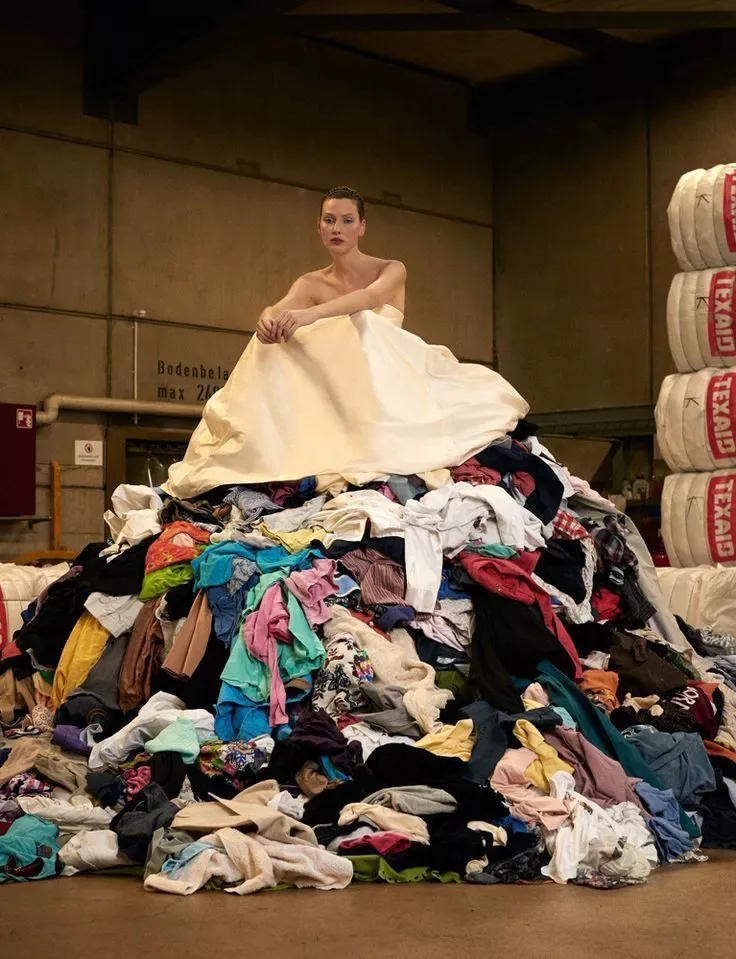
Sustainability is no longer just a buzzword in fashion; it has become a key part of how many Gen Z consumers shop and dress. As conversations around textile waste and overconsumption continue to grow, more young people are beginning to question the idea that keeping up with trends means constantly buying something new.
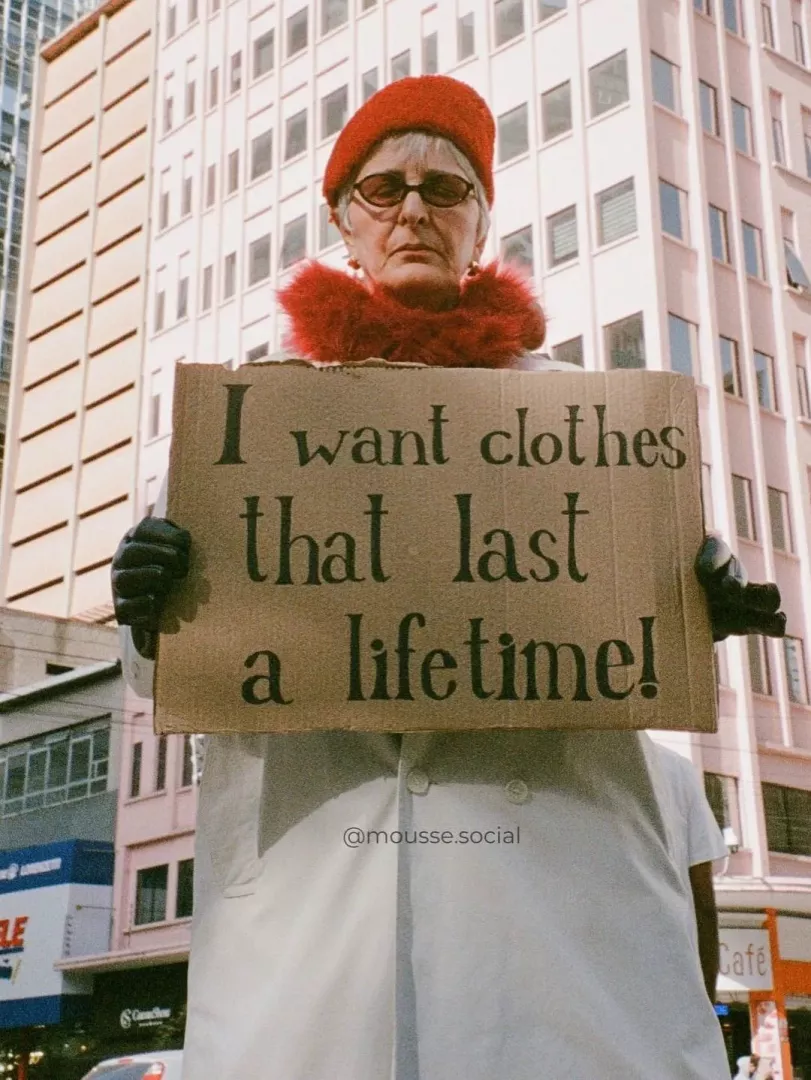
This shift in mindset is changing what young people value in fashion. Rather than chasing every micro-trend, many are becoming more interested in quality, longevity, and pieces that hold meaning. The rise of vintage shopping, clothing resale platforms, and upcycled fashion reflects a growing desire for a more thoughtful approach to style. For Gen Z, sustainability is not about sacrificing creativity or personal style. Instead, it is encouraging a new way of consuming fashion, one that values individuality, conscious choices, and a deeper connection to the clothes people wear.
More Than a Trend
What started as a way to give old clothes a second life has now become one of the biggest movements in Gen Z fashion. Through thrifting, upcycling, and social media, young consumers are proving that style is no longer defined by how new something is, but by how creatively it can be worn and transformed. As individuality and sustainability continue to shape the fashion industry, it is clear that Gen Z is not just following trends, they are creating them.
As individuality and sustainability continue to influence the industry, one thing is clear: fashion’s future may not lie in buying more, but in reimagining what already exists. For Gen Z, the most valuable piece in a wardrobe is no longer the newest item; it is the one with the most story behind it.