
The iconic V8 engine is making a bold return despite the industry’s electric shift
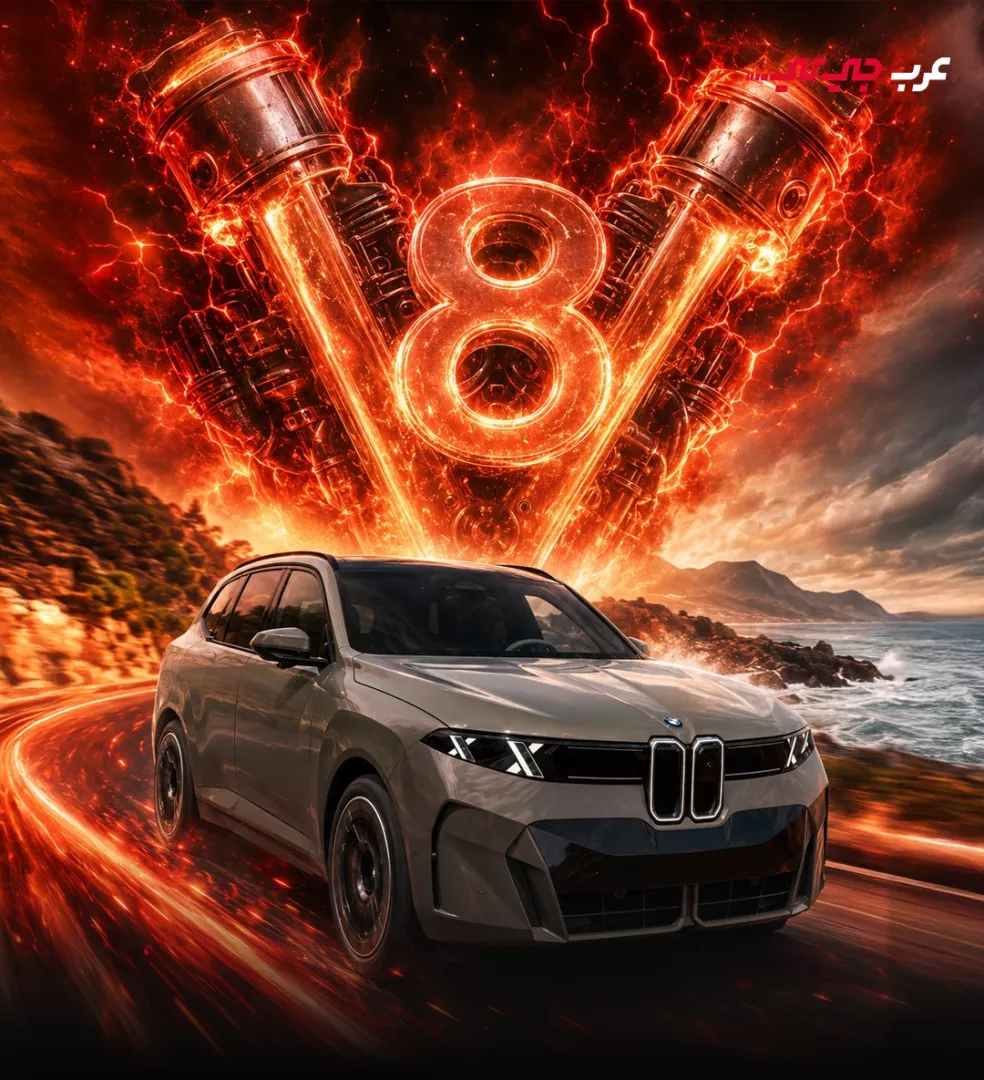
As the automotive world continues its rapid transition toward electrification, BMW is proving that there is still room for traditional performance. The German luxury automaker has confirmed that the next-generation BMW X5, expected to debut in 2027, will continue to offer a V8-powered performance model, delivering exciting news for enthusiasts who still appreciate the unmistakable character of eight-cylinder engines.
A New Era for the BMW X5
The fifth-generation BMW X5 will be far more than a routine redesign. It is expected to become one of the brand’s most versatile SUVs, offering customers a broad selection of powertrains to suit different driving preferences.
The lineup will include:
- Gasoline engines
- Diesel variants
- Plug-in hybrid models
- Fully electric versions
- A hydrogen-powered model expected to join the range later
This multi-powertrain strategy reflects BMW’s commitment to giving customers flexibility rather than forcing a single path toward electrification.
The V8 Isn’t Going Anywhere
While electrified models will play a major role in the new X5 family, the biggest excitement surrounds the performance version powered by BMW’s legendary 4.4-liter twin-turbocharged V8 engine.
Rather than launching alongside the standard models, the V8-powered variant is expected to arrive later as part of BMW’s M Performance lineup.
Industry reports suggest it will carry the BMW X5 M60 badge, positioning it between the standard X5 models and the high-performance X5 M flagship.
Performance Without Going Fully Extreme
The upcoming X5 M60 is expected to deliver the signature balance BMW is known for—combining everyday practicality with thrilling performance.
Unlike the full X5 M, which is engineered for maximum power and track-inspired driving, the M60 version is likely to offer a more refined yet highly capable experience, making it ideal for drivers who want sporty performance without sacrificing everyday comfort.
A Bold Decision in the Electric Era
Perhaps the most surprising detail is BMW’s reported decision not to turn the V8-powered X5 M60 into a plug-in hybrid.
At a time when many manufacturers are replacing large combustion engines with electrified alternatives, BMW appears committed to preserving the authentic sound, feel, and character of its V8 powertrain.
The move sends a clear message that the brand still believes there is strong demand for traditional high-performance engines, even as electric mobility continues to expand.
Blending Innovation with Heritage
The next-generation X5 represents BMW’s balanced approach to the future. Rather than abandoning combustion engines altogether, the company is investing in multiple technologies simultaneously—from battery-electric and plug-in hybrid models to hydrogen development—while keeping iconic engines alive for drivers who value classic performance.
This strategy allows BMW to embrace innovation without losing the driving experience that has defined the brand for decades.
Looking Ahead to 2027
With its diverse range of powertrains and the highly anticipated return of V8 performance, the 2027 BMW X5 is shaping up to be one of the most significant luxury SUV launches in recent years.
For enthusiasts, the message is simple: while the future may be electric, the unmistakable roar of a BMW V8 isn’t disappearing just yet.