
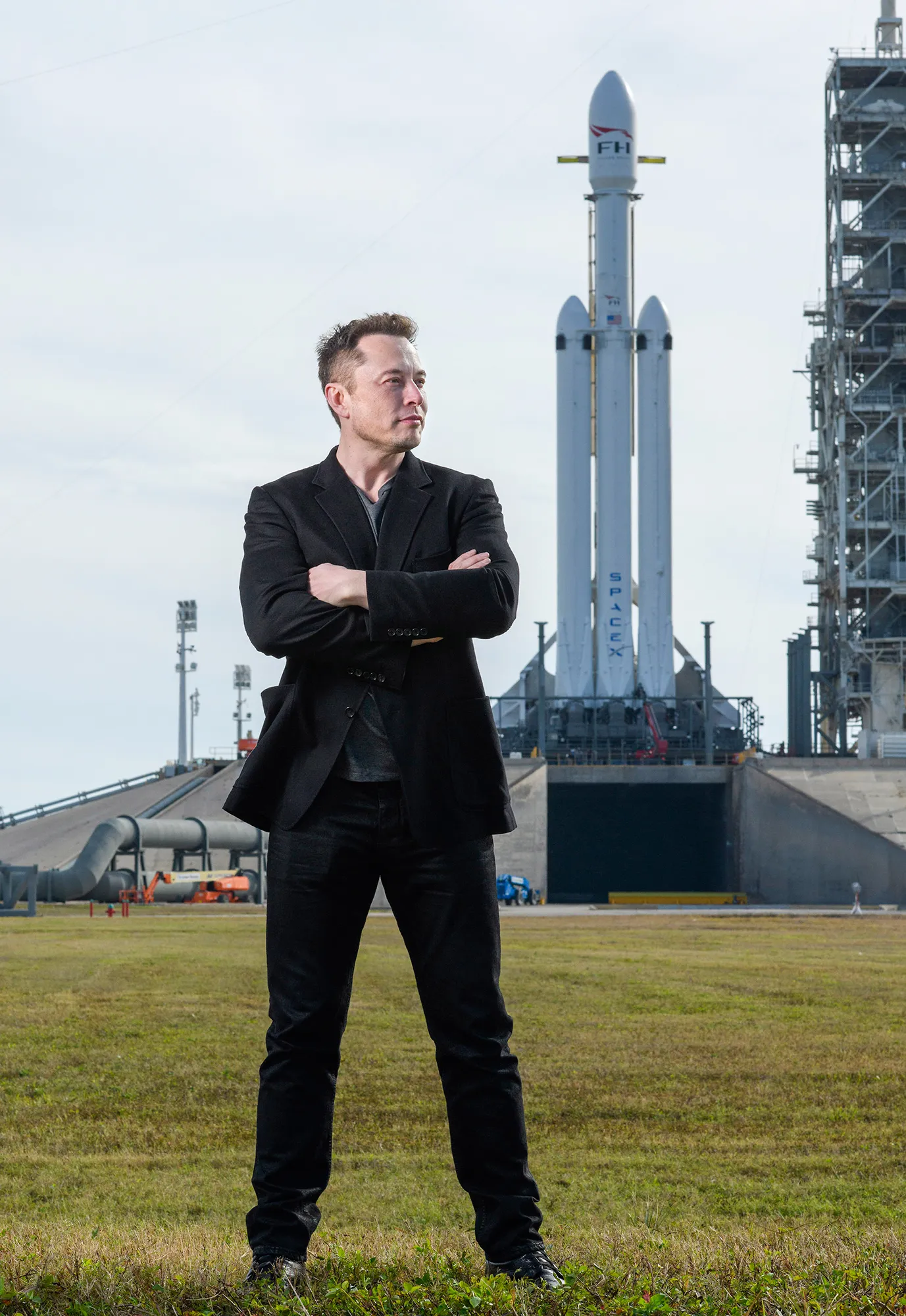
Elon Musk has seen his net worth slip back below the trillion-dollar threshold, dropping to approximately $958 billion following a recent decline in the valuation of both Tesla and SpaceX. The dip marks the end of a brief moment earlier this month when Musk crossed the symbolic trillion-dollar milestone for the first time.
Despite the setback, Musk continues to hold his position as the world’s richest individual, maintaining a significant lead over his closest competitors by hundreds of billions of dollars. The fluctuation highlights once again how closely his fortune is tied to the volatile performance of his companies in the global markets.
A Billionaire Built on Volatility
The latest movement in Musk’s net worth reflects the nature of modern tech wealth, where fortunes rise and fall alongside stock performance and investor sentiment. Tesla’s market fluctuations, combined with shifts in SpaceX’s private valuation, played a direct role in this recent decline.
However, analysts note that such changes are not unusual for ultra-high-net-worth individuals whose assets are heavily concentrated in high-growth technology companies.
Still the Dominant Force in Global Wealth
Even after stepping down from the trillion-dollar milestone, Musk remains firmly at the top of global wealth rankings. His financial position continues to outpace other billionaires by a substantial margin, reinforcing his influence across the automotive, space, and artificial intelligence sectors.
“Mountains Don’t Fall — They Pause”
In the world of extreme wealth, fluctuations are part of the landscape. While headlines may focus on temporary declines, Musk’s empire remains deeply embedded in some of the most influential industries shaping the future of technology.
Or as the markets often prove: in finance, even mountains don’t fall — they simply take a pause.